 Florence City Guide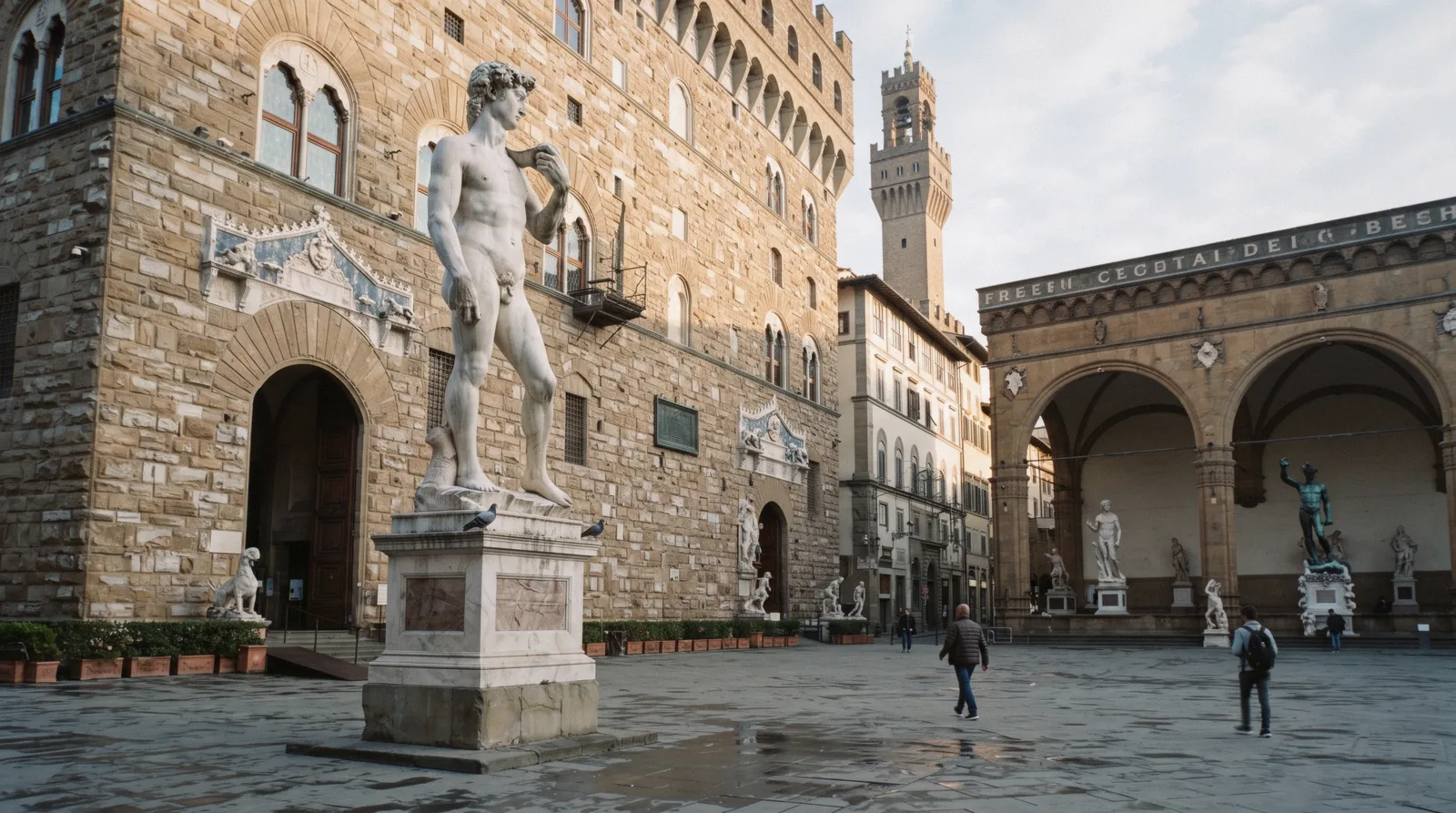
Florence Statues
Florence statues stand on almost every square in the centre, and many of the famous ones you photograph in the street are copies, with the originals a few minutes away indoors. This page maps copy to original across the whole of the city (see things to do in Florence), lists every Michelangelo sculpture in town and gives a free walk that links the outdoor works. The statues of Piazza della Signoria appear here as short cards, because the square's own page tells them one by one.
Quick answer Which statues are real, which are copies, and which are free
Florence's most famous statue is Michelangelo's David, 5.17 metres of Carrara marble finished in 1504 and indoors at the Accademia since 1873. The two Davids you see outdoors, on Piazza della Signoria and on Piazzale Michelangelo, are copies.
Key takeaways
- Many of the famous outdoor statues are copies with the originals a few minutes away: the copy-and-original table says where each one went
- A free circuit from the Ferdinando I on Piazza Santissima Annunziata to the Dante monument at Santa Croce passes a dozen works outdoors: the statue walk
- The originals are indoors on timed tickets: the David timed entry at the Accademia and the Bargello reserved entry for Donatello and early Michelangelo
The Famous Statues of Florence, and Where They Stand
The city-wide list in four groups, each card with the sculptor, the date and where you see it. The square's statues are one group of short cards: each links to the statues on the square, one by one or to the Loggia dei Lanzi, where their stories are told in full.
Michelangelo
-
David, the original
Accademia, ticket
Carved 1501 to 1504, 5.17 metres, indoors since 1873. The statue that stood for the republic on the square for 369 years.
-
Four Prisoners and St Matthew
Accademia, same ticket
Unfinished figures for the tomb of Pope Julius II, lining the hall to the David. The chisel marks show how he worked a block.
-
Bacchus, Pitti Tondo, Brutus, David-Apollo
Bargello, ticket
The young and middle Michelangelo in one room of the sculpture museum.
-
Night, Day, Dawn, Dusk, Medici Madonna
Medici Chapels, ticket
The New Sacristy tombs he designed for the Medici behind San Lorenzo.
-
The late Pietà
Opera del Duomo Museum, pass
Begun about 1547 for his own tomb, then attacked with a hammer by the sculptor and abandoned.
-
Madonna of the Stairs, Battle of the Centaurs
Casa Buonarroti, official ticket
Two early reliefs in the family house on Via Ghibellina 70. We sell nothing here.
-
David, bronze copy
Piazzale Michelangelo, free
Raised in 1875 on the terrace above the Oltrarno, with the whole city behind it.
Piazza della Signoria and the Loggia dei Lanzi
-
David, marble copy
Copy, free
Placed in 1910 on the spot where the original stood from 1504. The height and light it was carved for.
-
Hercules and Cacus
Bandinelli, 1533, free
The Medici answer to the republic's David, on the other side of the palace door.
-
Marzocco and Judith and Holofernes
Donatello, copies, free
The lion with the lily and the bronze Judith. Originals in the Bargello and in Palazzo Vecchio's Sala dei Gigli.
-
Fountain of Neptune
Ammannati, 1560 to 1574, free
Il Biancone, the big white one, built for Cosimo I's new water supply. The bronzes around the basin are the part to look at.
-
Cosimo I on horseback
Giambologna, 1594, free
The duke who moved into the palace behind it, commissioned by Ferdinando I.
-
Perseus with the Head of Medusa
Cellini, 1554, original, free
The bronze Cellini made for Cosimo I, still standing in the Loggia where it was unveiled.
-
Rape of the Sabine Women
Giambologna, 1583, original, free
Three figures from one block of marble, carved to be seen from every side.
-
Rape of Polyxena, Pasquino, Hercules and Nessus
Loggia, free
Pio Fedi's nineteenth-century group, a Hellenistic fragment and Giambologna's Hercules and Nessus under the same roof.
Outdoor Florence Beyond the Square
-
Il Porcellino
Tacca, copy, free
The bronze boar at the Mercato Nuovo. Rub the snout, a custom recorded since 1766. Tacca's original is in the Museo Stefano Bardini.
-
Orsanmichele's fourteen niches
Guild saints, copies, free
One niche per guild, filled by Donatello, Ghiberti, Nanni di Banco and Verrocchio. The originals are mostly upstairs.
-
Ferdinando I on horseback
Giambologna and Tacca, 1608, free
The grand duke in the middle of Piazza Santissima Annunziata, inaugurated for a Medici wedding.
-
The Four Seasons of Ponte Santa Trinita
Francavilla, Caccini, Landini, 1608, free
Four figures on the bridge corners. Spring's head was lost in 1944 and found in the Arno in 1961.
-
Benvenuto Cellini's bust
Romanelli, 1900, free
Commissioned by the goldsmiths of Ponte Vecchio for the middle of their bridge.
-
Monument to Dante
Enrico Pazzi, 1865, free
The poet in marble beside the basilica front of Santa Croce, where Michelangelo is buried.
Every card on the square links to its full entry on the Piazza della Signoria page. Dates are from Wikipedia's article on each work and from the museum pages on this guide.
Copy Outside, Original Inside: Where Each One Went
The statues that stand in the street today as copies, and where their originals went, from Wikipedia's articles on each work and the museum pages on this guide. Where we sell the entry, the ticket column links to our card.
| Statue | Outdoors (copy) | Original now | Ticket |
|---|---|---|---|
| David (Michelangelo) | Signoria marble copy (1910) and Piazzale Michelangelo bronze (1875) | Accademia, since 1873 | Timed entry €28 (about $33) |
| St George (Donatello) | Orsanmichele niche | Bargello | Reserved entry €19 (about $22) |
| Marzocco (Donatello) | Signoria, in front of the palace | Bargello | Reserved entry €19 (about $22) |
| Judith and Holofernes (Donatello) | Piazza della Signoria | Palazzo Vecchio, Sala dei Gigli | Entry with audioguide €32 (about $37) |
| Porcellino (Tacca) | Mercato Nuovo loggia, copy installed 2008 | Museo Stefano Bardini | We sell nothing here |
| Orsanmichele guild saints | 14 exterior niches | Mostly in the Orsanmichele museum upstairs | Official six-museum ticket, €38 (about $44) |
Two famous works on the square are not copies: Cellini's Perseus and Giambologna's Sabines still stand in the Loggia dei Lanzi, free to see. Figures current in Q3 2026.
Tickets and Walks for Florence's Sculpture
Timed tickets for the museums that hold the originals, and guided walks that cover the outdoor statues in the centre. Where a museum has two cards, they are either/or: pick by the extras each one lists.
 from €28
Best seller
from €28
Best seller
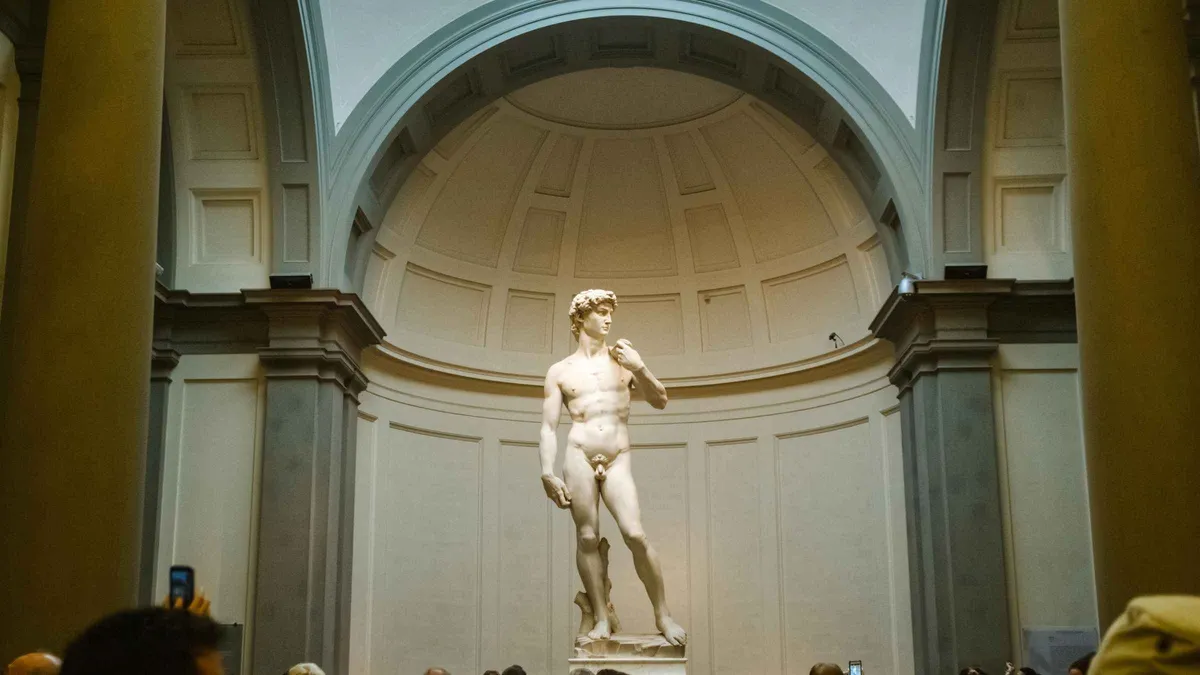
Florence: Timed Entry to Michelangelo's David + Audio App
listed at $33.30
Reserved timed entry to the Accademia for Michelangelo's David with a digital audio app. Slot is binding; collect the ticket 15 minutes before.
Check Availability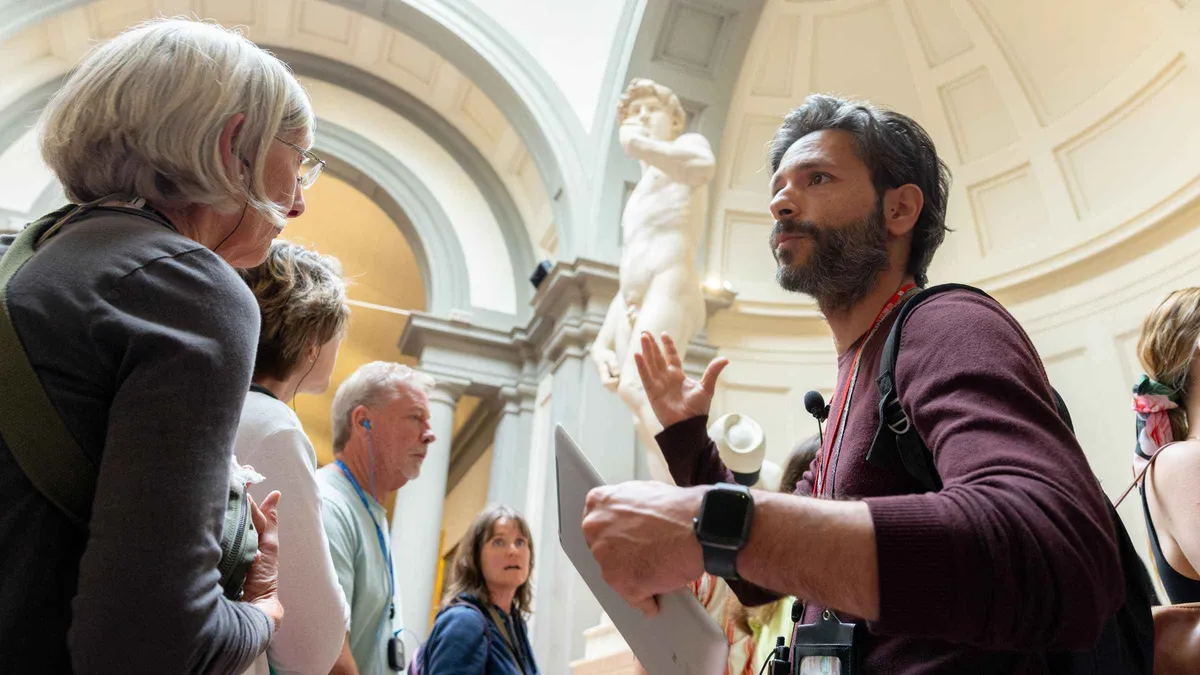 from €41
Top rated
from €41
Top rated
Florence: Accademia Gallery Guided Tour Timed Entrance
listed at $47.91
One-hour guided Accademia visit with a reserved timed ticket and headsets; six languages plus a max-10 small-group option.
Check Availability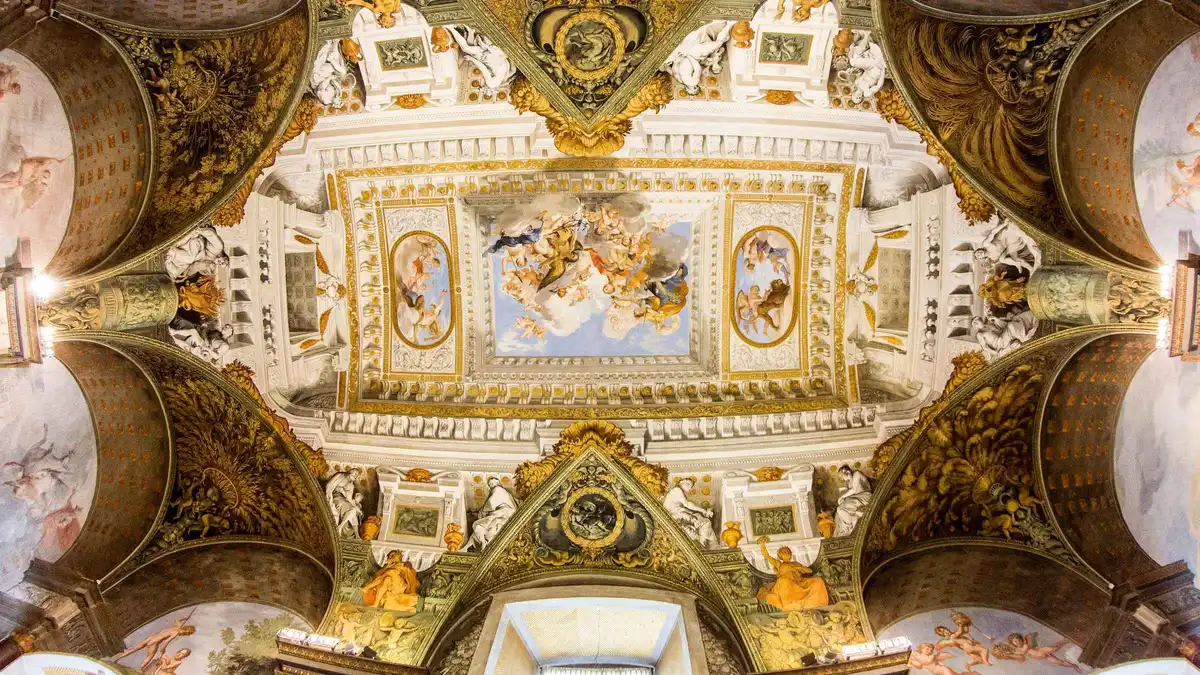 from €19
Florence: Reserved Entry Ticket to Bargello Museum
listed at $21.72
Reserved timed Bargello ticket that covers the temporary exhibitions, with a Florence audio app for Donatello's David and the Michelangelo room.
Check Availability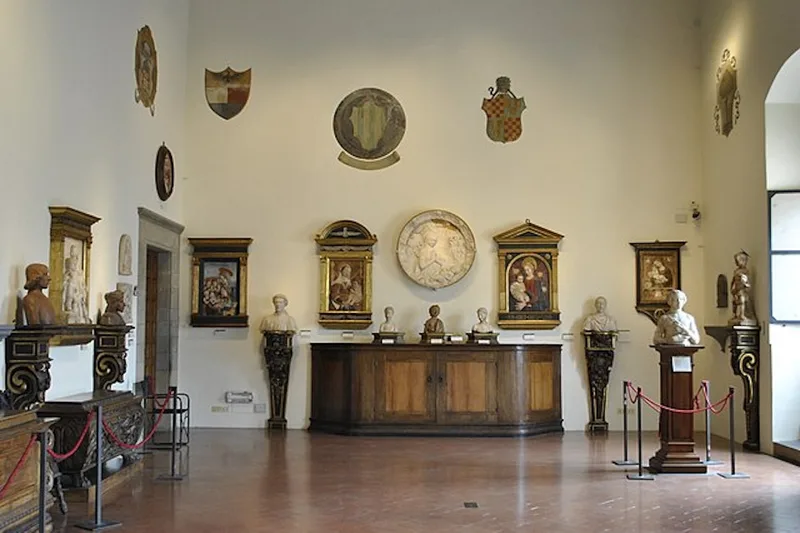 from €18.00
Museo Nazionale del Bargello: Skip The Line Ticket
Bargello skip-the-line ticket at €18 with the booking fee inside it, cancellable to 23:59 the night before. Temporary exhibition included; you show the phone at the ticket office indoors.
Check Availability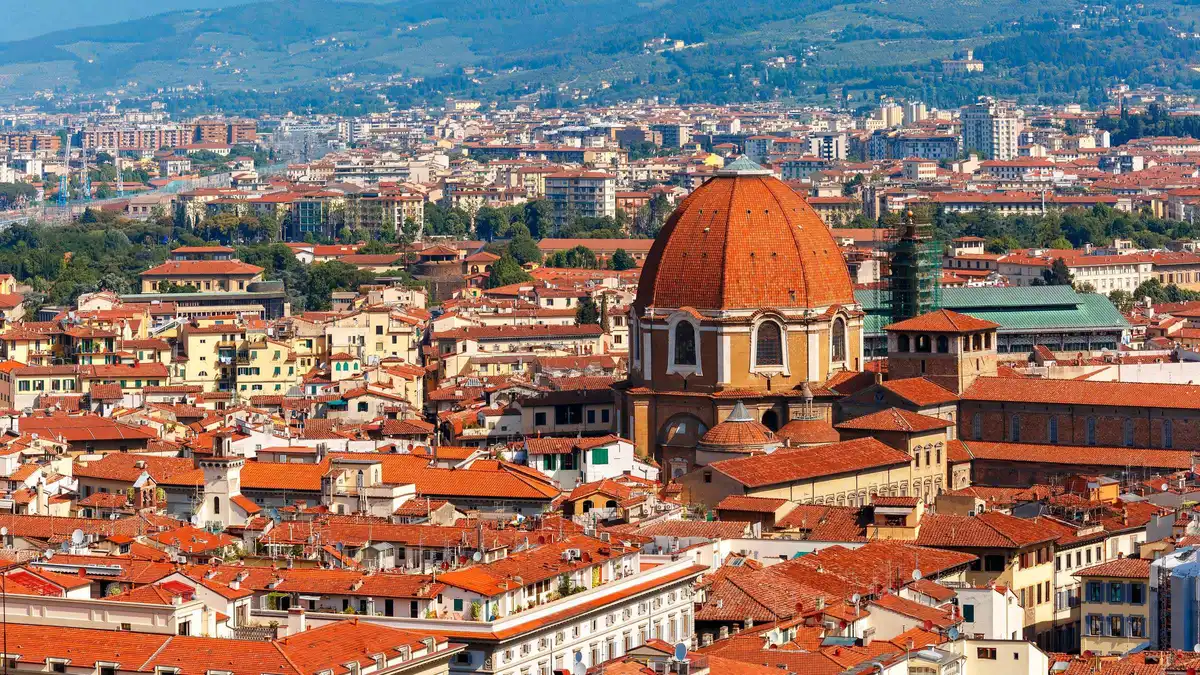 from €18
Florence: Reserved Entrance Ticket to the Medici Chapel
listed at $20.56
Reserved Medici Chapels ticket with a free audio app and priority at the queue; binding time slot. Hard Rock discounts bundled in.
Check Availability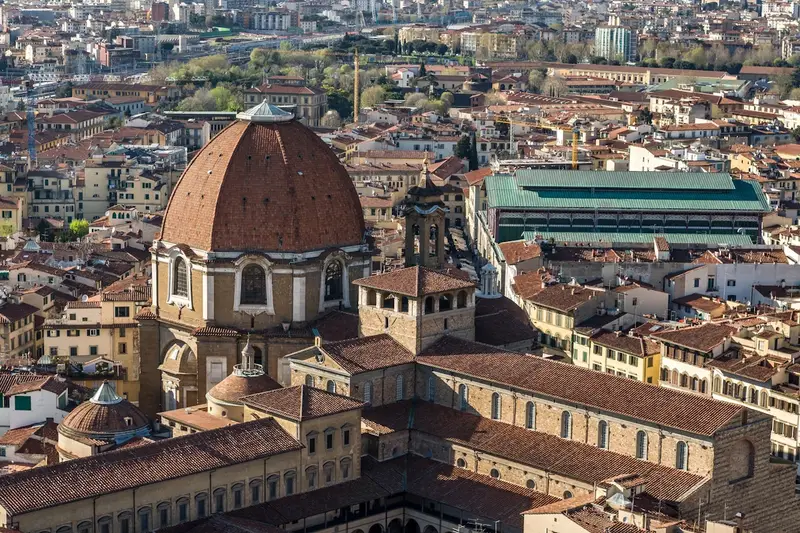 from €17.00
Medici Chapels: Skip The Line Ticket
Skip-the-line Medici Chapels ticket at €17, booking fee included, cancellable to 23:59 the night before. The Basilica of San Lorenzo next door is a separate ticket.
Check Availability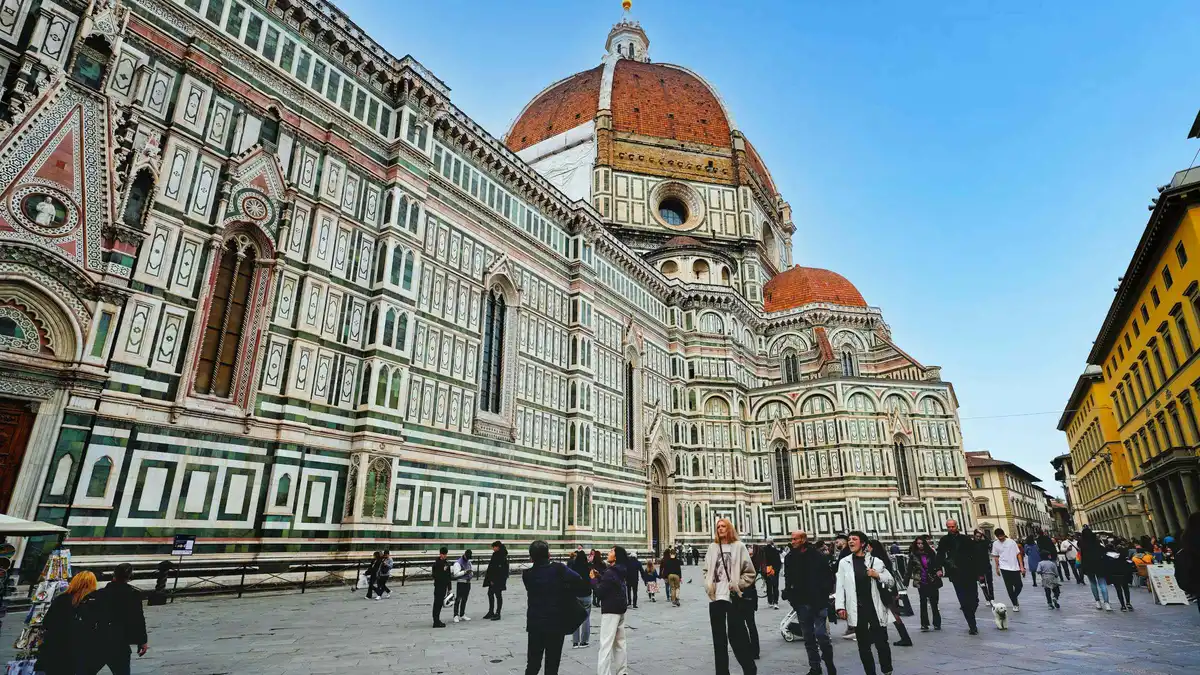 from €53
Florence: Brunelleschi's Dome Climb Entry Ticket & Duomo
listed at $61.77
Timed dome-climb ticket plus a 3-day Duomo complex pass (cathedral, baptistery, museum, crypt, bell tower) and an audio app. 463 steps, no lift.
Check Availability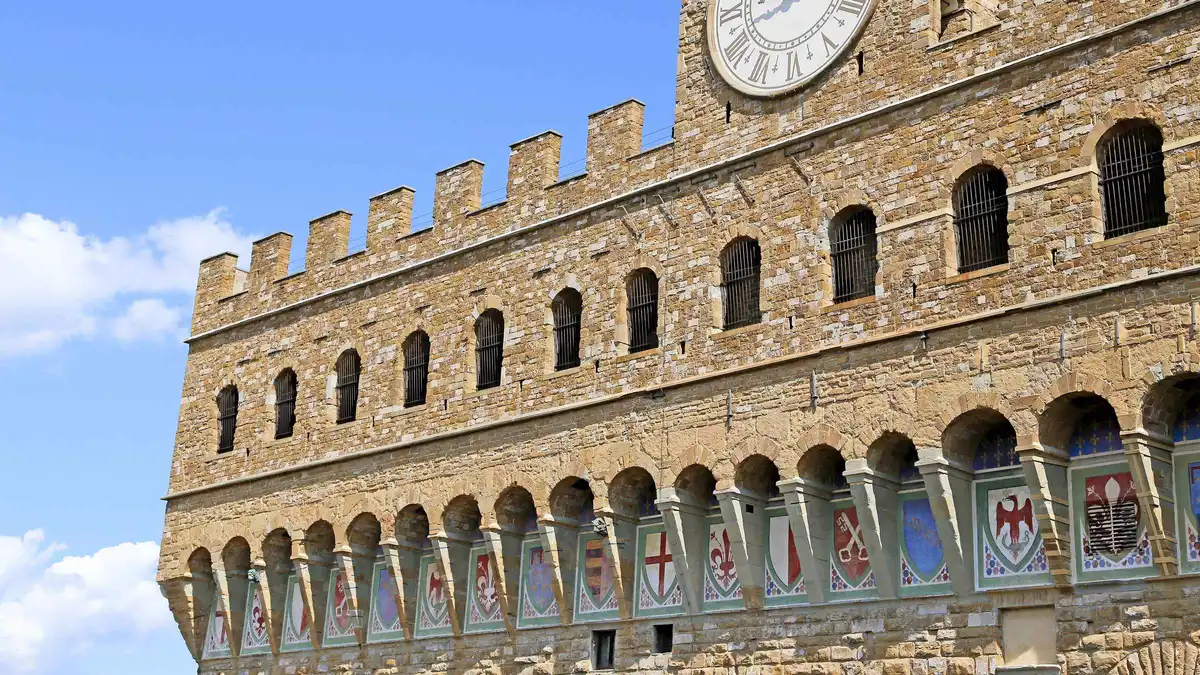 from €32
Florence: Palazzo Vecchio Entrance Ticket & Audioguide
listed at $37.21
Palazzo Vecchio skip-the-ticket-line entry with an audioguide or 7-inch multimedia guide in 8 languages; Arnolfo's Tower as an option.
Check Availability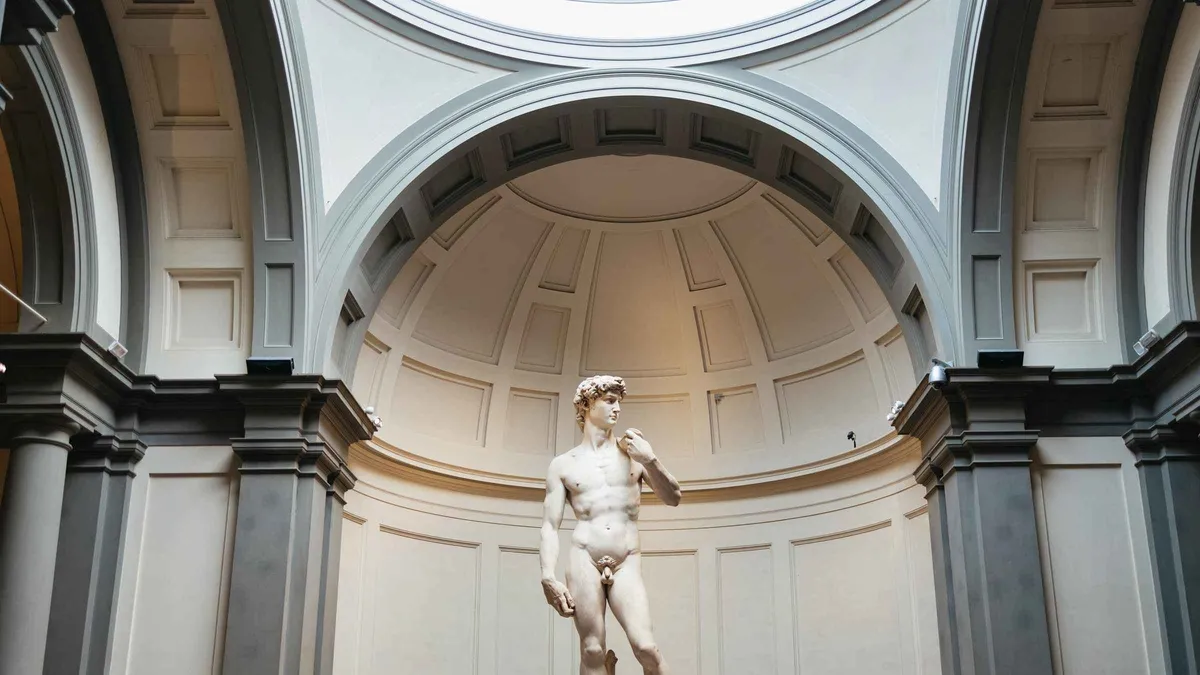 from €97
Florence: David, Cathedral & City Highlights Guided Tour
listed at $113.63
Three-hour small-group day: skip-the-line Accademia for David, pre-reserved Baptistery and Duomo Museum, cathedral visit, optional bell tower climb.
Check Availability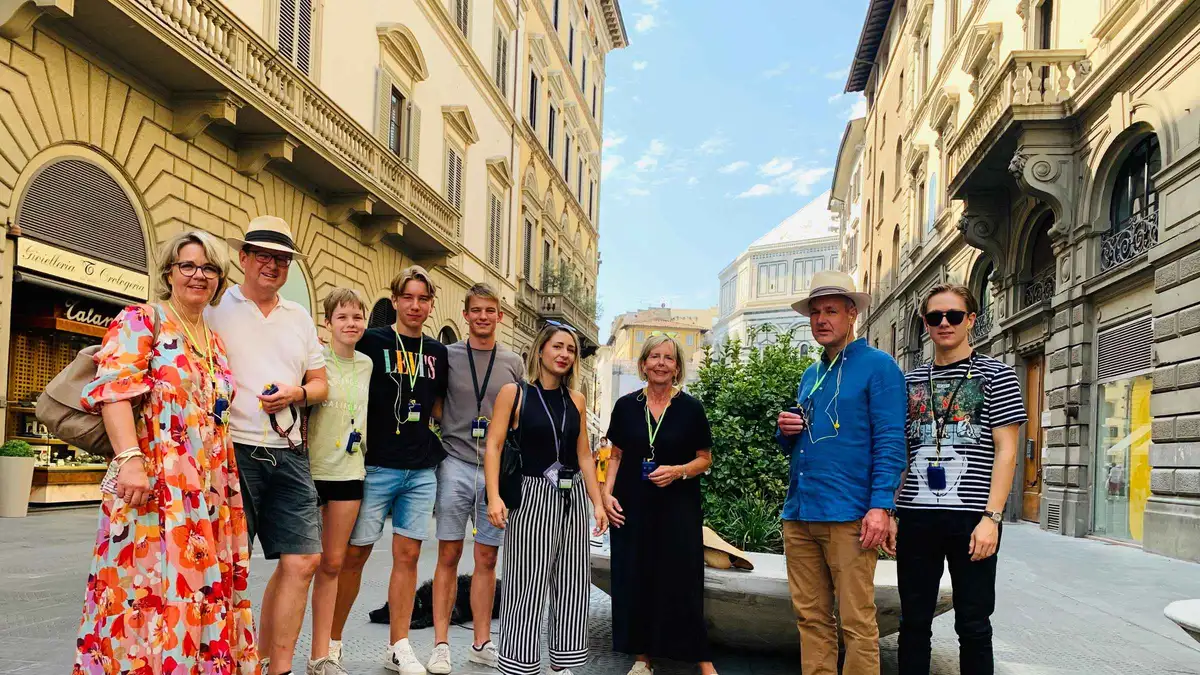 from €17
Florence: Highlights Walking Tour with Expert Guide
listed at $20.27
90-minute small-group highlights walk (Duomo, Piazza della Signoria, Ponte Vecchio) in 8 languages, with free luggage storage. Runs rain or shine.
Check Availability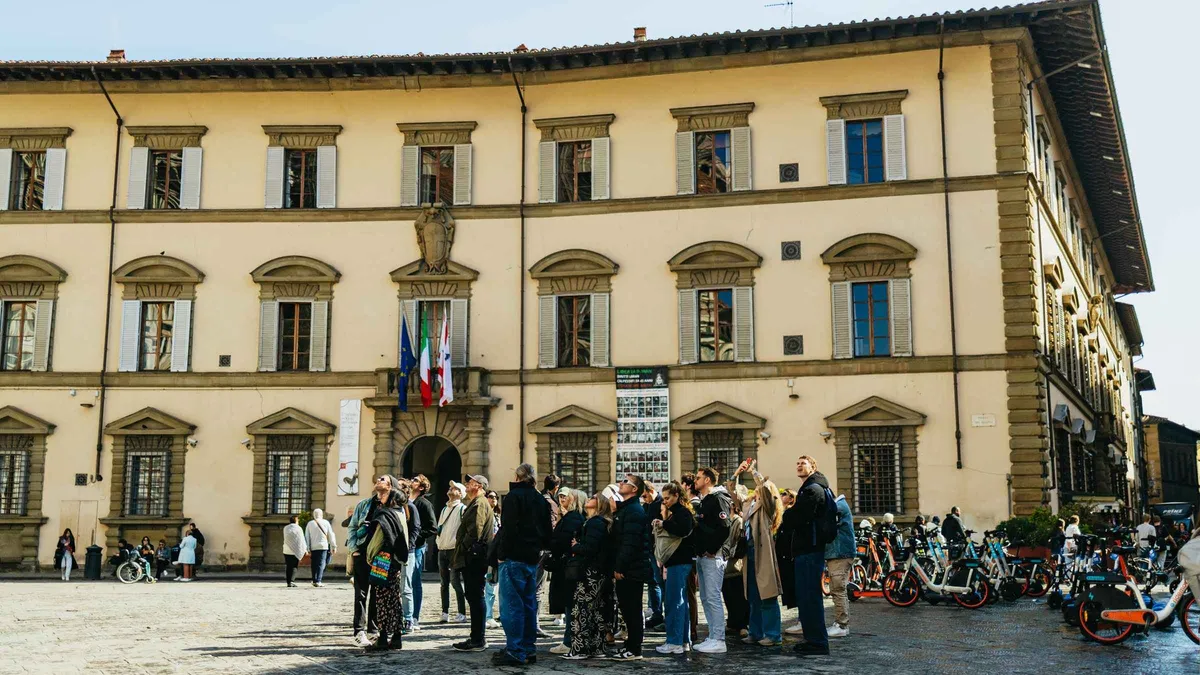 from €12
Top rated
from €12
Top rated
Florence: Renaissance and Medici Tales Guided Walking Tour
listed at $13.90
Two-hour storytelling walk on the Medici and the Renaissance in English or Spanish, ending with local eating and shopping tips. Cheapest tour here.
Check AvailabilityPrices, ratings and details are the platform's own. Dollar figures are the listed prices. The platform bills in your account's currency.
How Many David Statues Are in Florence?
Three Michelangelo Davids stand in Florence, one original and two copies. The Bargello adds two more by Donatello, from the century before.
The Original at the Accademia
Michelangelo carved the David between 1501 and 1504 from Carrara marble quarried at Fantiscritti, and the figure stands 5.17 metres tall. It was unveiled on 8 September 1504 in Piazza della Signoria, in front of the seat of government. In the anti-Medici riot of 1527 its left arm was broken in three pieces.
In 1873 it was moved indoors to the Galleria dell'Accademia on Via Ricasoli, and by 1882 the architect Emilio De Fabris had finished the tribune it still stands in. In 1991 a man with a hammer damaged the second toe of the left foot. The gallery opens Tuesday to Sunday 08:15 to 18:50, last admission 18:10.
The David timed entry is €28 (about $33). The visit is planned on the Accademia page and the booking options on David tickets.
The Marble Copy on Piazza della Signoria
In 1910 a full-size marble copy was set up on the spot where the original had stood from 1504, so the square still shows the David in its first position, beside the palace door. The copy is worth a few minutes rather than a glance. It is outdoors, at the height and in the light the statue was carved for, and you can walk right up to it, which you cannot do with the original.
Across the doorway stands Bandinelli's Hercules and Cacus, and the pairing is the point of the square, as the square's own page explains. It is free at any hour. What each statue there means, one by one, is told on the statues on the square, one by one, so this page does not repeat it.
The Bronze Copy and Donatello's Two Davids
In 1875 a bronze copy of the David was raised on Piazzale Michelangelo, the terrace above the Oltrarno laid out while Florence was capital of the Kingdom of Italy. It is the David seen against the skyline rather than against buildings, and the walk up and the view are on the Piazzale Michelangelo page. That makes three by Michelangelo.
The Bargello holds two more Davids, both by Donatello. His bronze David of the 1440s is the first free-standing male nude cast since antiquity, according to the museum page on this guide, and it is far smaller than photographs suggest. His marble David is in the same museum.
Both are on the Bargello reserved entry at €19 (about $22), and the rooms are described on the Bargello page. So the answer to how many David statues are in Florence is five: three by Michelangelo, two of them copies, and two by Donatello.
Every Michelangelo Statue in Florence
Michelangelo's sculpture in Florence is spread over five buildings and one open terrace, and no single ticket covers them all. Four of the six stops are on our tickets. The table is assembled from the pages on this guide for the Accademia, the Bargello, the Medici Chapels and the Opera del Duomo Museum, and from Casa Buonarroti's own site.
Read the table by building, since that is how you will visit. Casa Buonarroti on Via Ghibellina 70 is the one Michelangelo building where we sell nothing: check the entry on its own site, since no price is published on its home page. It closes on Tuesdays rather than Mondays, which makes it a Monday stop.
The bronze copy is free.
| Work | Where | Ticket |
|---|---|---|
| David | Accademia, Via Ricasoli 58/60 | Timed entry €28 (about $33) or guided tour €41 (about $48) |
| Four Prisoners and St Matthew | Accademia | The same ticket as the David |
| Bacchus, Pitti Tondo, Brutus, David-Apollo | Bargello, Via del Proconsolo 4 | Reserved entry €19 (about $22) or skip-the-line entry €18 (about $21) |
| Night, Day, Dawn, Dusk and the Medici Madonna | Medici Chapels, New Sacristy | Reserved entry €18 (about $21) or skip-the-line entry €17 (about $20) |
| Late Pietà | Opera del Duomo Museum | Dome climb and Duomo pass €53 (about $62) |
| Madonna of the Stairs and Battle of the Centaurs | Casa Buonarroti, Via Ghibellina 70, 10:00 to 16:30, closed Tuesdays | Official ticket, price not published on its home page |
| David, bronze copy | Piazzale Michelangelo | Free, see Piazzale Michelangelo |
The Two Works That Show How He Worked
Two groups on the list repay a second look for what they show about the carving itself. The four Prisoners at the Accademia were carved between about 1520 and 1530 for the tomb of Pope Julius II, which was never built as planned. They were left half out of the block, and the chisel marks show the method: the front carved first, the figure working its way back into the stone.
The late Pietà in the Opera del Duomo Museum was begun about 1547 for his own tomb and worked on for some nine years. Then he attacked it with a hammer and abandoned it. A pupil partly repaired it, and Christ's left leg is missing.
The hooded Nicodemus holding the body is taken to be a self-portrait. Both stops are on our tickets: the Accademia timed entry and the Duomo pass, which includes the museum. The David, Cathedral and City Highlights tour covers both buildings with a guide.
A Free Statue Walk Through the Centre
A circuit of the outdoor statues, free from start to finish and open at any hour. The walking times are our estimates from the GPS distances: about 3.3 kilometres and 45 minutes on foot, so allow two hours with the stops. On Mondays, when the museums close, it works exactly as printed.
Piazza Santissima Annunziata: Ferdinando I
Start in the square in front of the Santissima Annunziata, north of the cathedral. In the middle rides Grand Duke Ferdinando I, an equestrian bronze that Giambologna began and Pietro Tacca completed. It was cast in 1602 and inaugurated in 1608 for the wedding of Cosimo II and Maria Maddalena of Austria, so it is as much a piece of wedding pageantry as a portrait.
Tradition says the bronze came from Turkish cannon captured by the Knights of Santo Stefano. Wikipedia reports that as a tradition, not a documented fact, and so do we. The same wedding brought the Four Seasons to Ponte Santa Trinita, later on this walk.
From here it is about twelve minutes south, past the cathedral, to Orsanmichele.
Orsanmichele: Fourteen Guild Statues
Orsanmichele is a grain market turned church, and its outside walls carry fourteen niches, one for each guild, each with the guild's patron saint. The statues you see from the street are copies, and the originals are mostly in the museum upstairs. Walk all four sides and look for Donatello, Ghiberti and Verrocchio among the names.
The outside costs nothing, and the dates, the guilds and the museum rules are in the Orsanmichele section below. The church interior is covered under Orsanmichele inside. The Porcellino is about two minutes further south.
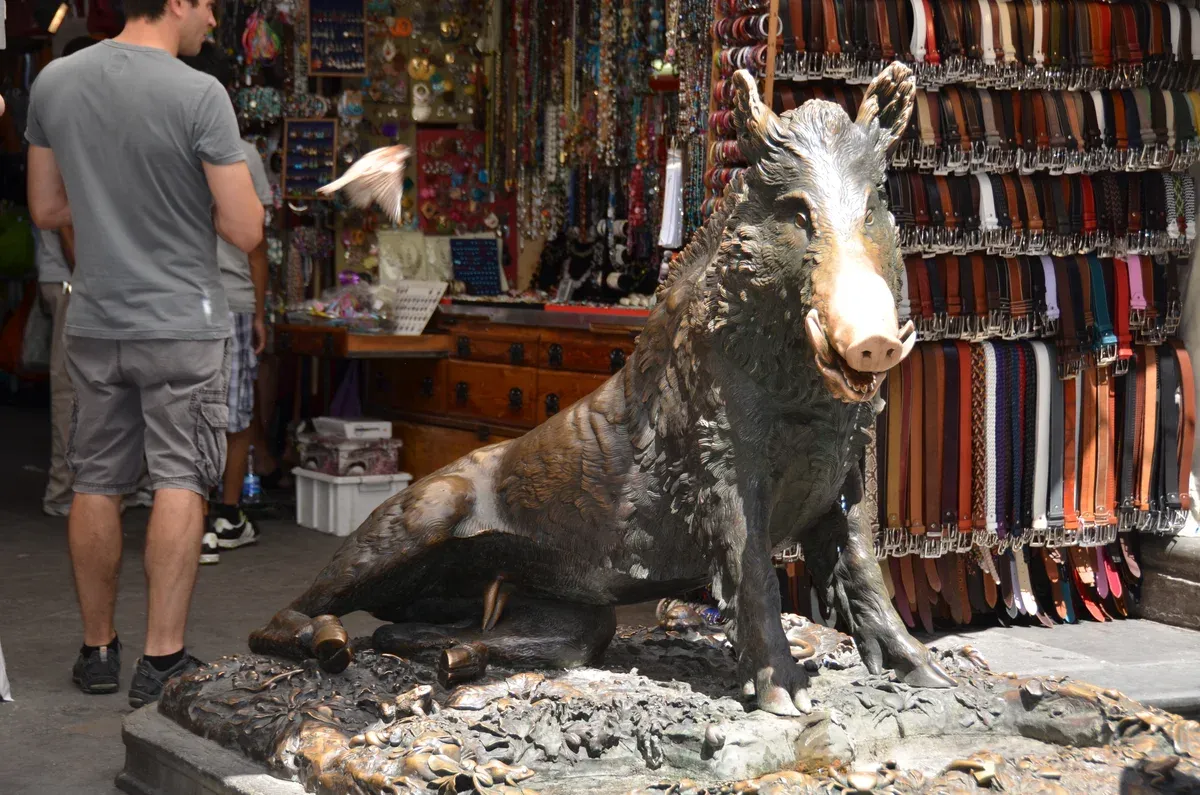
The Porcellino copy under the loggia, snout polished by hands. Photo: RalfSkjerning, CC BY-SA 3.0, via Wikimedia Commons (https://creativecommons.org/licenses/by-sa/3.0)
The Porcellino at the Mercato Nuovo
Under the loggia of the Mercato Nuovo stands the most rubbed bronze in Florence. Pietro Tacca cast the boar shortly before 1634, after a Hellenistic marble. The figure you see is itself a copy: this one was cast in 1998 by the Marinelli foundry and installed in 2008, and Tacca's own bronze is in the Museo Stefano Bardini.
The custom of rubbing the snout for luck is recorded since 1766, which is why the snout shines gold against the dark body. The second part of the ritual is to put a coin in the boar's mouth and let it drop through the grate below. The stalls around it sell souvenirs and leather.
Go before the stalls open if you want a clear photograph. Piazza della Signoria is about three minutes away.
Piazza della Signoria and the Loggia dei Lanzi come next, with the David copy, Hercules and Cacus, Neptune, Cosimo I, the Perseus and the Sabines. Each has its entry on the statues on the square, one by one and on the Loggia dei Lanzi, so the walk only passes through. From the square, the Uffizi courtyard leads down to the river and Ponte Vecchio in about five minutes.
Ponte Vecchio: The Cellini Bust
Stop in the middle of Ponte Vecchio at the bronze bust above the fountain. It shows Benvenuto Cellini, the goldsmith and sculptor who made the Perseus you have just passed in the Loggia. In 1900, for the fourth centenary of his birth, the goldsmiths of the bridge commissioned it from Raffaello Romanelli.
Padlocks are banned here: about 5,500 were removed in 2005 and 2006, and fixing one now brings a fine. The bust is the reason the bridge belongs on a statue walk, since it ties the shops of the bridge to the most famous goldsmith of the city. The shops, the corridor above them and the best times to cross are on the Ponte Vecchio page.
Ponte Santa Trinita is the next bridge downstream, about four minutes west along the river.
Ponte Santa Trinita: The Four Seasons
At the four corners of Ponte Santa Trinita stand the Four Seasons, set up in 1608 for the wedding of Cosimo II: Spring by Pietro Francavilla, Summer and Autumn by Giovanni Caccini and Winter by Taddeo Landini. The bridge was blown up on the night of 3 to 4 August 1944, and the statues went into the river with it. They were recovered and the bridge rebuilt, but Spring's head stayed missing until October 1961, when it was found in the Arno and put back.
Look at Spring's neck and you are looking at that repair. From here the last stretch is the longest, about sixteen minutes east along the river to Santa Croce.
Piazza Santa Croce: The Dante Monument
Finish at Santa Croce, where Dante stands in marble to the left of the basilica steps. The sculptor, Enrico Pazzi, came from Ravenna, the city that holds Dante's tomb, and the monument was unveiled in May 1865 for the six hundredth anniversary of the poet's birth. It first stood in the middle of the square.
According to the Italian Wikipedia article on the monument, it was damaged in the flood of 1966, removed in 1968, partly so the square could host calcio storico again, and set up in its present place beside the church front in 1971. Inside the basilica is Michelangelo's tomb, which closes the loop with the sculptor who opened this page. The church and its tombs are on Santa Croce, and the streets around it on the Santa Croce neighbourhood guide.
Casa Buonarroti is a short walk away on Via Ghibellina.
One stop is not on the list on purpose: the outside of the Accademia on Via Ricasoli. The David is inside behind the ticket, and the street shows only a door and a queue. For the original, fix a slot with David tickets.
- Piazza Santissima Annunziata, Ferdinando I, free
- Orsanmichele, fourteen niches, free, museum upstairs on the official six-museum ticket
- Mercato Nuovo, the Porcellino, free
- Piazza della Signoria and the Loggia dei Lanzi, free
- Ponte Vecchio, the Cellini bust, free
- Ponte Santa Trinita, the Four Seasons, free
- Piazza Santa Croce, the Dante monument, free
Orsanmichele: Fourteen Statues, One for Each Guild
Orsanmichele is where Florentine sculpture and Florentine trade meet, which is why it gets its own section beyond the walk.
Why the Niches Exist
The building was a grain market before it was a church, and the fourteen niches on its outside walls belong to the city's guilds, one each, every niche holding the guild's patron saint. Each guild filled its own niche, so the walls gathered the best sculptors of the century in one building, and the dates on the niches track the change in style. Nanni di Banco's Four Crowned Saints date from 1408.
Donatello's St Mark followed in 1411 to 1413, and his St George in about 1415 to 1417. Ghiberti's bronze St John the Baptist dates from 1414 to 1416. Verrocchio's Christ and St Thomas, from 1467 to 1483, closes the sequence with two figures in one niche.
All of it is visible from the street, for free, and the dates are from Wikipedia's article on Orsanmichele.
Copies Outside, Originals Upstairs
The statues in the niches today are copies. The originals are mostly in the museum on the upper floor, and Donatello's St George went to the Bargello, where it is on the Bargello reserved entry at €19 (about $22). The Orsanmichele museum opens Tuesday to Sunday 08:30 to 18:30, last entry 50 minutes before closing, and it is closed on Mondays.
Two rules catch visitors out. The upper floor closes when the indoor temperature reaches 34°C, and the museum has no step-free access and no toilets. It publishes no single price of its own: entry comes inside the official 72-hour ticket for six museums at €38 (about $44), which we do not sell.
The church on the ground floor is separate and described under Orsanmichele inside.
Where the Originals Are: Four Museums for Sculpture
Four museums between them hold most of the originals that the street copies stand in for. The table sums them up, and each museum has its own entry below.
The closing days are the ones that decide a plan. Three of the four close on Mondays, and the Opera del Duomo Museum closes on the first Tuesday of each month.
| Museum | Sculpture highlights | Closed | Our ticket |
|---|---|---|---|
| Accademia | David, Prisoners, St Matthew, Giambologna's Sabine model | Mondays | €28 (about $33) |
| Bargello | Donatello's Davids, St George, Marzocco, Bacchus, Mercury | Mondays | €19 (about $22) |
| Opera del Duomo Museum | Gates of Paradise, Magdalene, late Pietà | First Tuesday of the month | €53 (about $62) pass |
| Medici Chapels | Night, Day, Dawn, Dusk, Medici Madonna | Mondays | €18 (about $21) |
The Accademia: David and the Unfinished Michelangelos
The Accademia on Via Ricasoli 58/60 holds the David in the De Fabris tribune, the four Prisoners along the hall that leads to it, the St Matthew, and Giambologna's full-scale clay model of about 1580 for the Rape of the Sabines, in the Hall of the Colossus. The model is the reason to linger: it shows the group that now stands in marble in the Loggia dei Lanzi at the stage when it was still being worked out. The gallery opens Tuesday to Sunday 08:15 to 18:50, last admission 18:10, and is closed on Mondays.
Two cards cover it. The timed entry €28 (about $33) comes with an audio app, and the one-hour guided tour €41 (about $48) includes the reserved ticket and headsets. The full visit plan is on the Accademia page.
The Bargello: Donatello and the Young Michelangelo
The Bargello on Via del Proconsolo 4 is the sculpture museum of Florence. The building was a seat of government and then a prison before it became a museum in the nineteenth century. Inside are Donatello's bronze and marble Davids, his original St George from Orsanmichele and his Marzocco from the square, Michelangelo's Bacchus, the Pitti Tondo, the Brutus and the David-Apollo, and Giambologna's Mercury.
It opens Tuesday to Sunday 08:15 to 18:50 and closes on Mondays. Two cards cover it, either/or: the reserved entry €19 (about $22) with an audio app, or the skip-the-line entry €18 (about $21). The collection room by room is on the Bargello page.
The Opera del Duomo Museum: The Cathedral's Sculpture
The Opera del Duomo Museum keeps the sculpture taken in from the cathedral, the baptistery and the bell tower and replaced outside with copies. That includes all three sets of bronze baptistery doors, Ghiberti's Gates of Paradise among them, Donatello's Penitent Magdalene and Michelangelo's late Pietà. It opens daily 08:30 to 19:00 and closes on the first Tuesday of each month.
It is not sold on its own on this guide. The dome climb and Duomo pass €53 (about $62) is a 3-day pass that covers the cathedral, the baptistery, the bell tower, the crypt and this museum, with the 463-step dome climb on a timed slot. The David, Cathedral and City Highlights tour at €97 (about $113) takes in the museum with a guide.
The rest is on the Opera del Duomo Museum page.
The Medici Chapels: The New Sacristy
Behind San Lorenzo, the Medici Chapels hold the New Sacristy, the funerary chapel Michelangelo designed for the Medici. Night, Day, Dawn and Dusk lie on the sarcophagi, and the Medici Madonna sits above them. The chapels open Tuesday to Sunday 08:15 to 18:50, last entry 40 minutes before closing, and close on Mondays.
Two cards cover it, either/or: the reserved entry €18 (about $21) with an audio app, or the skip-the-line entry €17 (about $20). The basilica of San Lorenzo next door is a separate ticket. Michelangelo's secret room under the sacristy is a separate booking too, explained on the Medici Chapels page with the tombs and the San Lorenzo context.
Florence Statues Map
The free walk in order, numbered, in rust, and the museums that hold the originals in green. The bronze David on Piazzale Michelangelo is off the loop, across the river.
The Pages Behind This Walk
Walk minutes are our estimates from the GPS distances.
Piazza della Signoria
The square's statues one by one, with the Loggia dei Lanzi under its own heading.
3 min from the PorcellinoAccademia Gallery
The David's tribune, the Prisoners and how to plan the visit.
7 min walk from the DuomoBargello
Donatello's Davids and the Michelangelo room in the old prison palace.
3 min walk from the SignoriaFlorence Statues: Questions Answered
What is the most famous statue in Florence?
Michelangelo's David, 5.17 metres of Carrara marble carved between 1501 and 1504, now at the Accademia. The visit is planned on the Accademia page, and the timed entry fixes your slot for €28 (about $33).
How many David statues are in Florence?
Three by Michelangelo: the original at the Accademia, the marble copy on Piazza della Signoria since 1910 and the bronze copy on Piazzale Michelangelo since 1875. Donatello's bronze and marble Davids at the Bargello make five. See How Many David Statues Are in Florence?
Which statues in Florence are copies?
The David on the Signoria, the bronze David on Piazzale Michelangelo, the Marzocco and Judith on the square, the Porcellino at the Mercato Nuovo and the fourteen Orsanmichele saints are copies. The full list with where each original went is in the copy-and-original table, and the square's own statues are on Piazza della Signoria.
Can you see Florence's statues for free?
Yes. Every outdoor statue is free at any hour, and the free statue walk links a dozen of them, from the Ferdinando I to the Dante monument, in about two hours with the stops. Only the originals indoors need a ticket.
Why do people rub the Porcellino's nose?
For luck. The custom is recorded since 1766, and it is why the snout shines while the rest of the bronze is dark. The second half of the ritual is to drop a coin from its mouth through the grate. The boar's story is in the free walk.
Where is the original Perseus?
Still in the Loggia dei Lanzi, where Cellini's bronze was unveiled in 1554. It is an original standing outdoors, free to see, and its story is on the Loggia dei Lanzi entry.
Where can I see Michelangelo sculptures besides the David?
At the Bargello for the Bacchus and the David-Apollo, at the Medici Chapels for Night, Day, Dawn and Dusk, at the Opera del Duomo Museum for the late Pietà and at Casa Buonarroti for two early reliefs. The list is in Every Michelangelo Statue in Florence, and the Bargello reserved entry covers the first.
What is the most famous artwork from Florence?
For sculpture, the David. For painting, Botticelli's Birth of Venus in the Uffizi, and the paintings are planned on the Uffizi page.
What is the meaning of the statues in Florence?
On Piazza della Signoria most of them are political. Michelangelo's David was the Republic's statue, set up there in 1504, and in 1533 Bandinelli's Hercules and Cacus went up on the other side of the door as the Medici answer to it. Cosimo I on horseback, from 1594, puts a Medici ruler in the square where the Republic used to meet. The statues on the square, one by one takes each in turn.
Which Florence statue shows a woman?
Donatello's bronze Judith and Holofernes is the best known: the copy stands on Piazza della Signoria and the original is inside Palazzo Vecchio, in the Sala dei Gigli. Giambologna's Rape of the Sabine Women stands in marble in the Loggia dei Lanzi, and his full-size clay model is in the Accademia. Copies and originals lists where each one is.
Fitting the Statues Into a Florence Day
One day holds the original David, the free outdoor circuit and one more museum, in the order below.
The Standard Day
Take the first Accademia slot at 08:15 with the timed entry €28 (about $33), when the gallery has only just opened. From there, start the free statue walk at Piazza Santissima Annunziata, a few minutes away, and follow it through Orsanmichele, the Porcellino and the square to the two bridges. Eat near Santa Croce at the end of the walk, and give the afternoon to the Bargello with the reserved entry €19 (about $22), for Donatello and the young Michelangelo.
It is about three minutes from Piazza della Signoria, so it also fits between the square and the river if you prefer. If you would rather have the outdoor centre explained on the spot, the highlights walk €17 (about $20) and the Medici tales walk €12 (about $14) cover the squares with a guide. The David, Cathedral and City Highlights tour at €97 (about $113) folds the Accademia and the cathedral museum into one guided morning.
For a day shaped around these statues, the florence guided tours page shows which of those options still fit your route.
The Monday Version
The Accademia, the Bargello, the Medici Chapels and the Orsanmichele museum all close on Mondays, but the outdoor statues never close, so the free walk works as printed. Add Casa Buonarroti on Via Ghibellina, open 10:00 to 16:30 and closed on Tuesdays instead, and the Opera del Duomo Museum for the late Pietà on the Duomo pass. Finish with the bronze David on Piazzale Michelangelo, the copy that has the whole city behind it.
The full list of what opens that day is on what opens on Mondays. For a wider frame, Florence in one day and things to do in Florence fit the statues into a fuller plan, and the rest of the city is covered in what to see in Florence.
Videos: Seeing the Statues Before You Go
Three films: two on the original David at the Accademia and one overview of the centre where the outdoor statues stand.
Best Way to See the Michelangelo David in Florence
How the Accademia visit works, for the original behind every copy on this page.
Video: the tour guyMichelangelo's David Florence Guide: Accademia Gallery
Tickets, opening times and tips for the gallery that holds the David.
Video: Travel ReviewsFlorence: Heart of the Renaissance
A city overview from Rick Steves' Europe, for the squares the free walk crosses.
Video: Rick Steves' EuropePrices, hours and terms are set by the venue or operator and confirmed at checkout.
We may earn a commission if you book through one of our links, at no extra cost to you. Full affiliate disclosure