 Florence City Guide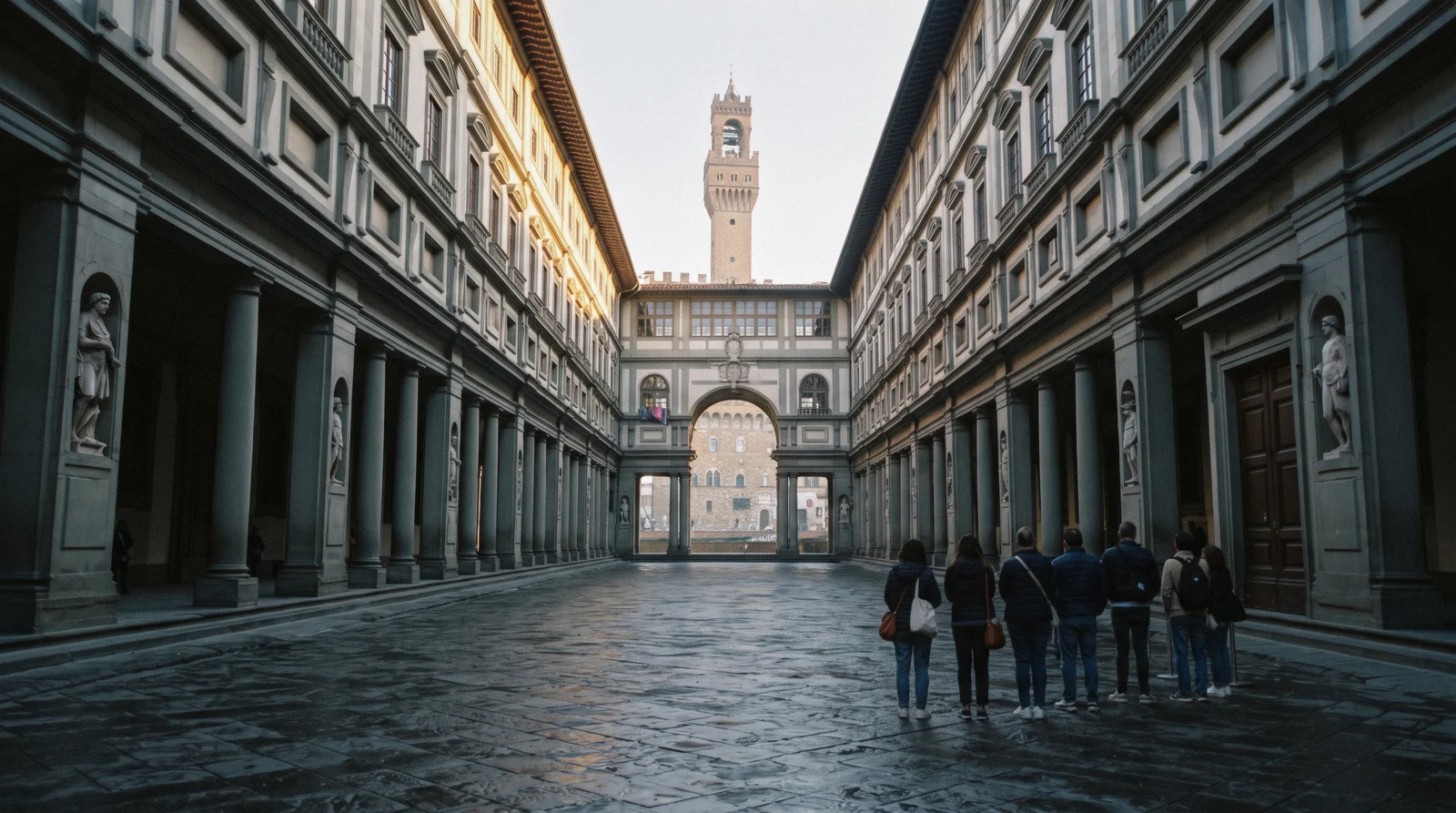
Uffizi Gallery
The Uffizi Gallery is the state museum on the Arno side of Piazza della Signoria that holds Botticelli's Birth of Venus, Leonardo's Annunciation and Michelangelo's Doni Tondo. This page covers the hours, the closed days, the rooms that matter, the doors and the map; the money questions live on the Uffizi tickets page. For the rest of the city, see things to do in Florence.
Quick answer Hours, price, what to see, how long, in three lines
The Uffizi opens Tuesday to Sunday 08:15–18:30, closed Mondays, 1 January and 25 December. Entry is timed and the summer calendar sells out days ahead.
Key takeaways
- The ticket office shuts at 17:30 and the last exit is 18:30. Every entry option is on the Uffizi tickets page
- A reserved-entry ticket with audioguide at €16 locks a time slot, and a small-group guided tour covers the key rooms in 90 minutes
- Botticelli's Birth of Venus, Leonardo's Annunciation and Michelangelo's Doni Tondo are the works most people come for. Michelangelo's David is not here; it stands a 12-minute walk away at the Accademia
Key facts
Opening hours
| Tuesday–Sunday, all year | 08:15–18:30 |
|---|---|
| Ticket office | 08:15–17:30 |
Closed Mondays, 1 January, 25 December
Admission
- Adult
- €16 reserved entry with audioguide app (about $19) or €25 reserved entry with audio guide (about $29)
- Reduced
- Reduced rate for EU citizens aged 18–25 with ID
- Free
- Under 18, any nationality; first Sunday of each month, no reservation
Planning it
- Time needed
- Not stated by the museum; our routing: 2 h for the highlights, 3–4 h for a full visit
- Book ahead
- Essential — weeks ahead
- Address
- Piazzale degli Uffizi, 50122 Firenze (step-free ramp via della Ninna)
Four ways into the Uffizi from the cards on this page, at the prices GetYourGuide and Tiqets list. Combos, passes and free days are on the Uffizi tickets page.
Do you want a timed slot on your own, or a guide for the first ninety minutes?
| Option | Price | Includes | Cancel | Book |
|---|---|---|---|---|
| Reserved entry + audioguide appVisitors who want a timed slot, an audio app and free cancellation | €16 (about $19) | Timed entry, audio app, digital map | Free up to 24 hours before | Check Availability |
| Reserved entry + audio guide, TiqetsVisitors who want a slot held with a downloadable audio guide | €25 (about $29) | Timed entry, downloadable audio guide | Nonrefundable | Check Availability |
| Small-group guided tour, 1.5 hVisitors who want Botticelli and Leonardo explained, then the run of the place | From €64 | Ticket, licensed guide, headsets | Free up to 24 hours before | Check Availability |
| Uffizi + Accademia timed ticketsAnyone doing the Accademia in the same visit and content with fixed slots | From €30 | Both entries, audio apps | Non-refundable | Check Availability |
The two reserved-entry tickets are either/or: the GetYourGuide ticket at €16 (about $19) with an audio app and free cancellation up to 24 hours before, or the Tiqets ticket at €25 (about $29) with a downloadable audio guide. Listed prices move with the date, so treat the card price as the one you pay only once the checkout shows it. Figures current in Q3 2026.
Uffizi entry options compared
Every card links to the seller's own page, where the date calendar shows what is still open. Platform prices in euro, converted from the listed figure.
 from €16
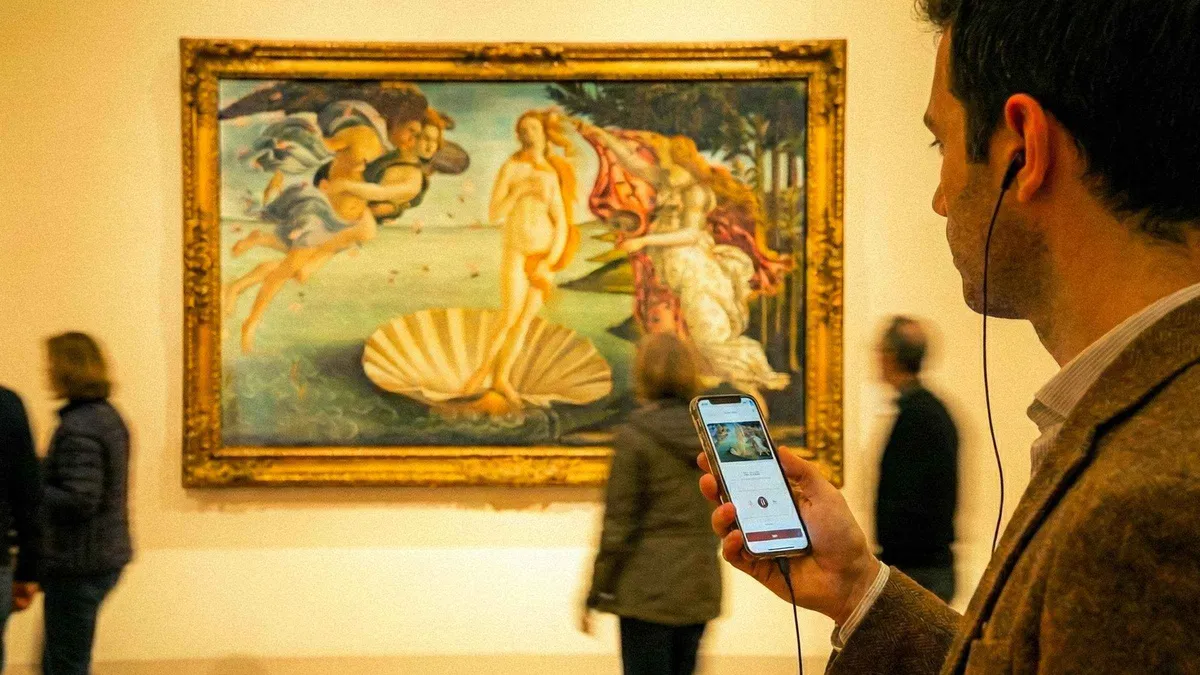
Florence: Uffizi Gallery Reserved Entry Ticket & Audioguide
listed at $18.53
Reserved timed Uffizi ticket with a downloadable audioguide app in 6 languages and unlimited time inside. Nominative ticket — bring matching ID.
Check Availability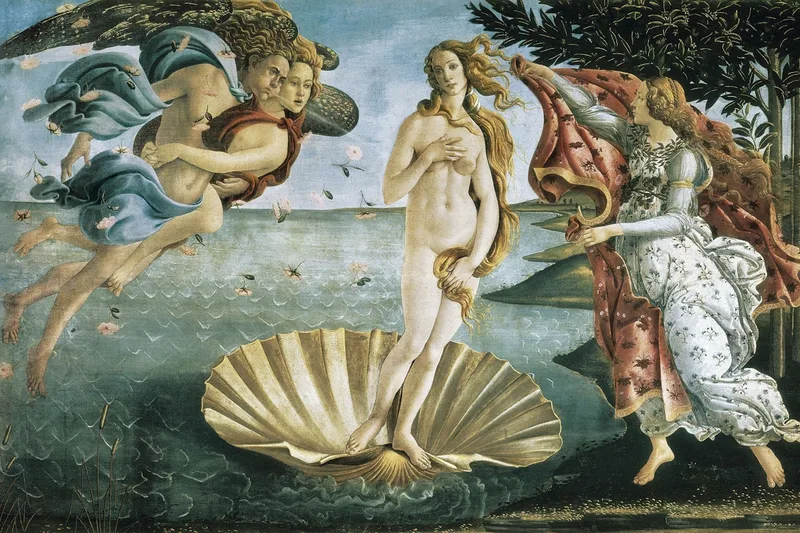 from €25.00
Uffizi Gallery: Reserved Entry + Audio Guide
Reserved Uffizi slot with a downloadable audio guide. Pick your entry time, show ID at the door. The ticket is nonrefundable.
Check Availability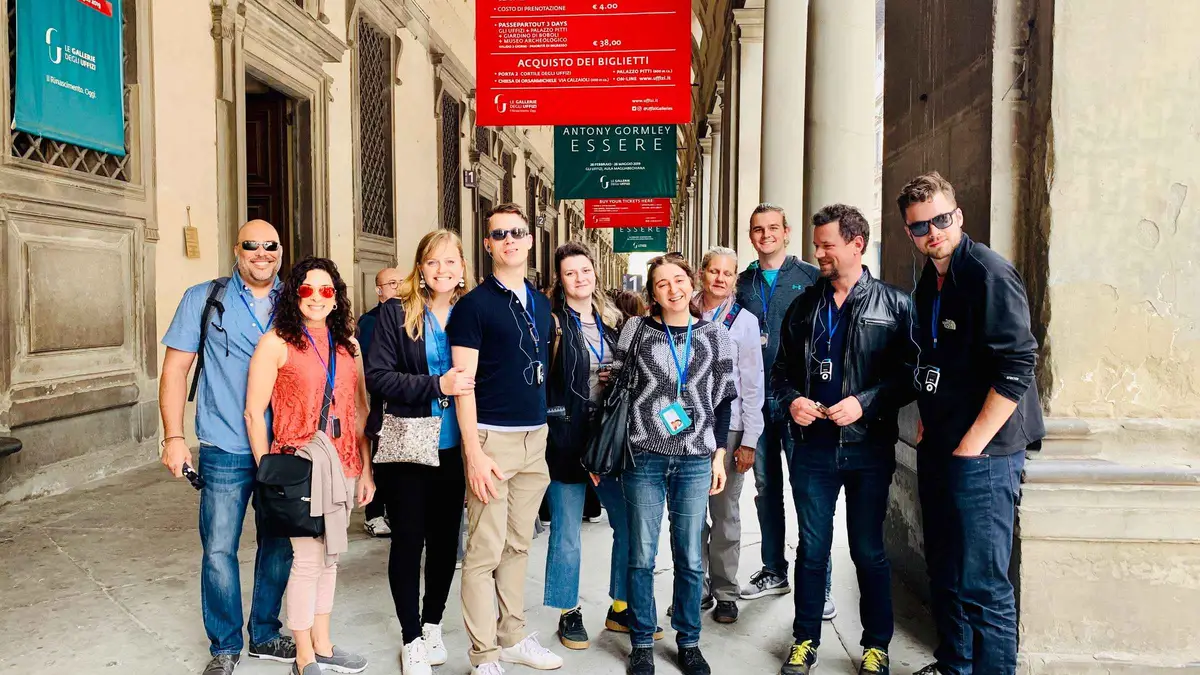 from €64
Florence: Uffizi Gallery Small-Group Guided Tour with Ticket
listed at $75.13
90-minute small-group Uffizi tour with ticket and headsets; guides in 7 languages. Skip the ticket line, then stay inside on your own after the tour.
Check Availability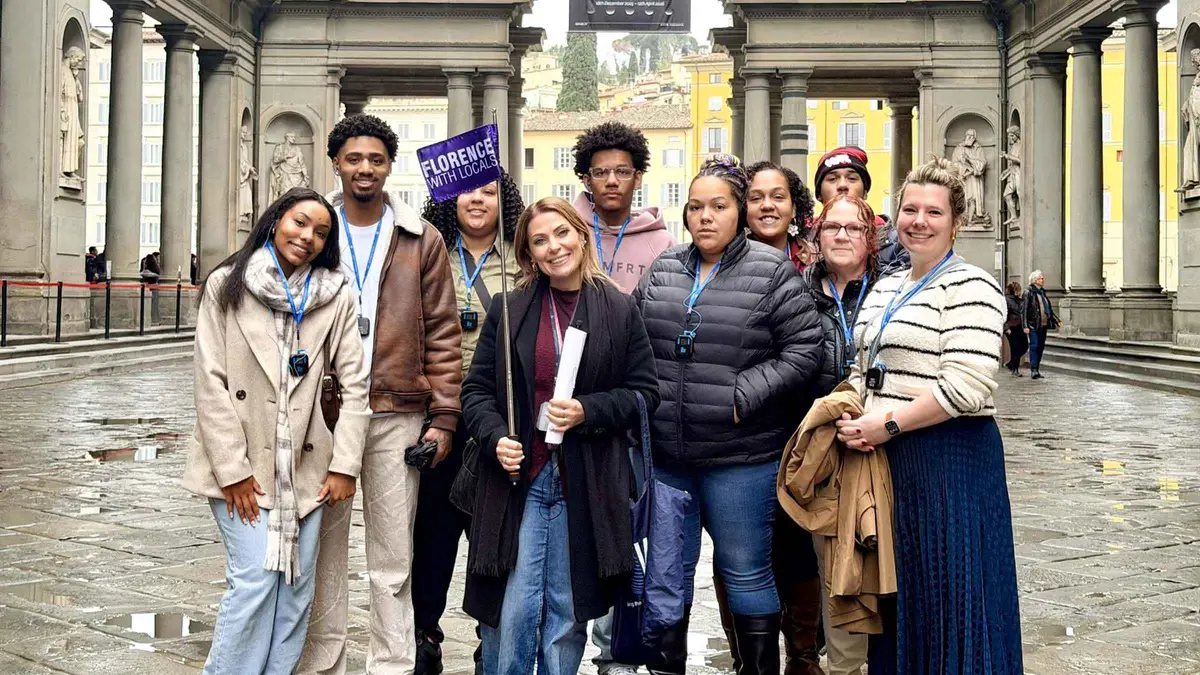 from €48
Uffizi Small Group Tour + Optional Vasari Corridor Access
listed at $55.61
Max-9 Uffizi tour with a licensed guide, with or without the one-way Vasari Corridor walk to Pitti. Museum base cost €29, or €47 with the corridor.
Check Availability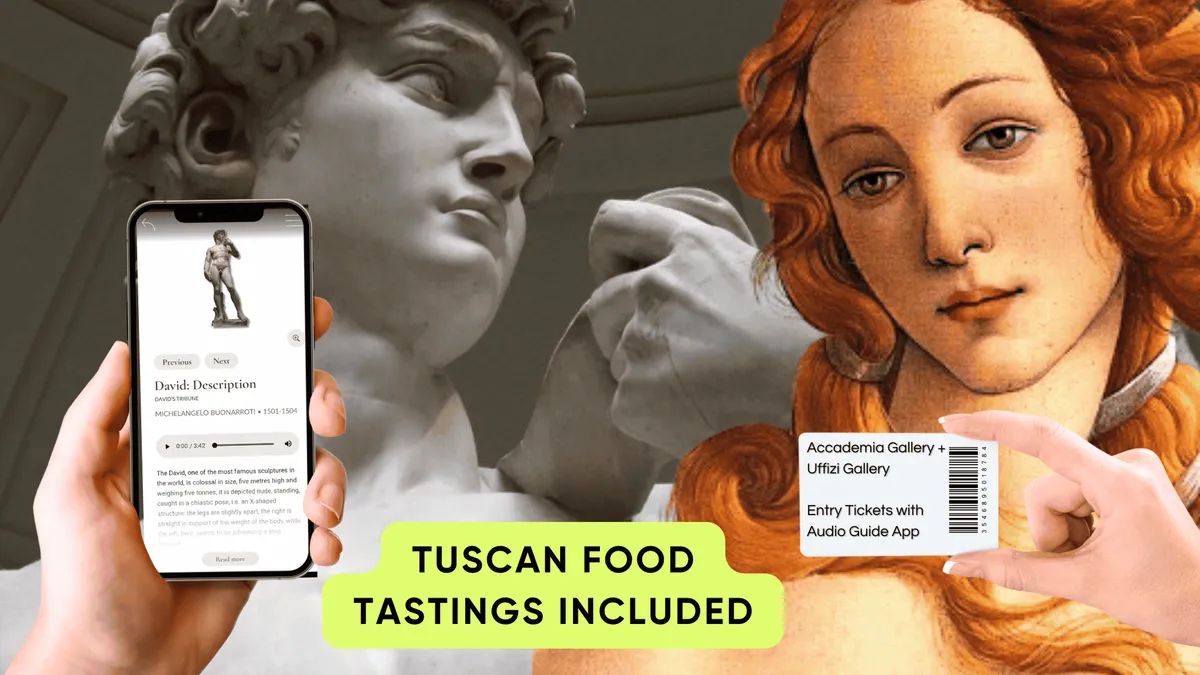 from €30
Florence: Uffizi & Accademia Timed Tickets with Audio App
listed at $35.32
Timed tickets to both Uffizi and Accademia with a mobile audio app in 18 languages and a Tuscan truffle-oil tasting. Non-refundable.
Check Availability from €45
Florence: Uffizi & Accademia Small Group Walking Tour
listed at $52.81
Four hours with one guide across the Accademia and Uffizi, plus Duomo Square and Piazza della Signoria between them. Groups of 10–15.
Check Availability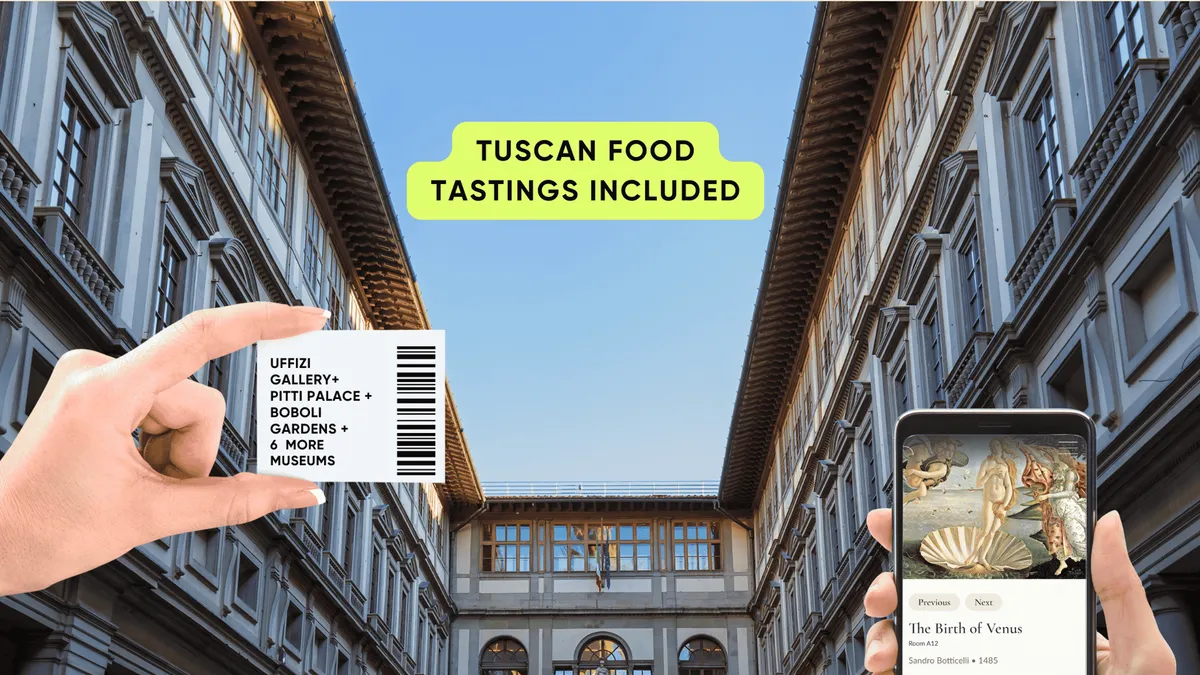 from €68
Florence: Uffizi, Pitti Palace & Boboli Combined 5-Day Pass
listed at $79.23
One timed Uffizi entry that unlocks Pitti Palace and Boboli Gardens over 5 days, with an Uffizi audio app. Combo ticket must be kept; non-refundable.
Check AvailabilityPrices, ratings and details are the platform's own. Dollar figures are the listed prices. The platform bills in your account's currency.
What the Uffizi is: Vasari's offices, 1560–1581
Uffizi means offices. The building was never designed as a museum, which explains the long corridors, the narrow rooms off them and the view down the courtyard to the Arno.
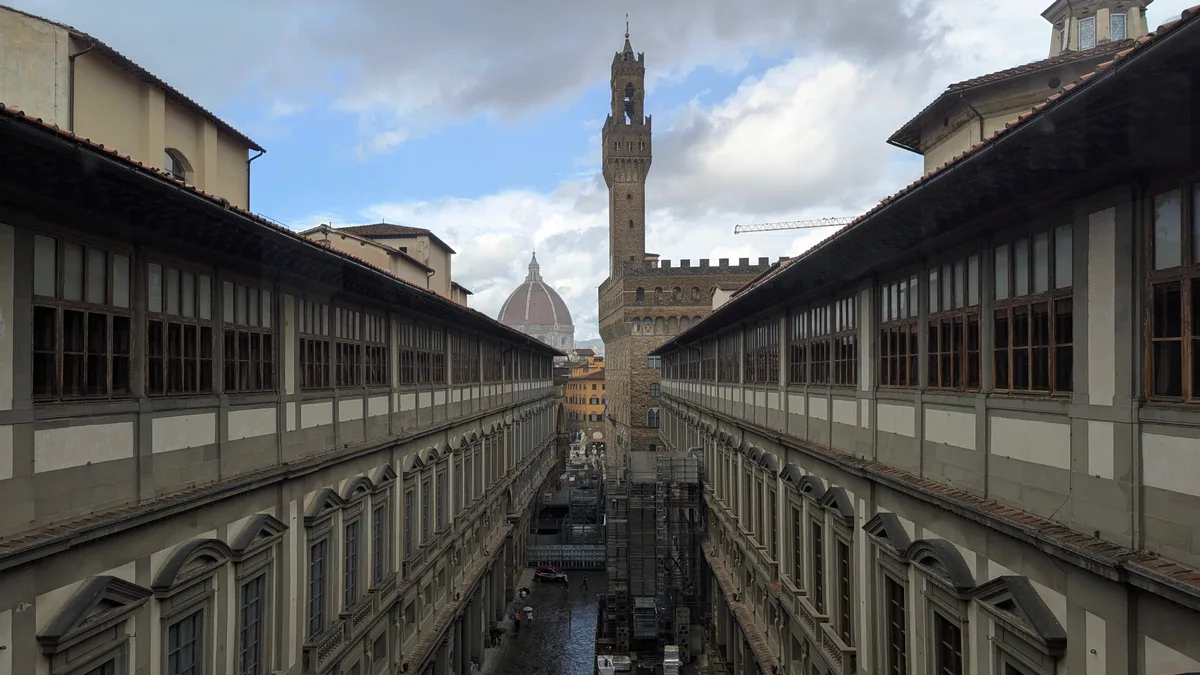
Photo: Verum3414, CC BY 4.0, via Wikimedia Commons (https://creativecommons.org/licenses/by/4.0)
Built by Giorgio Vasari for Cosimo I from 1560
Cosimo I de' Medici commissioned Giorgio Vasari in 1560 to house the thirteen magistracies of the Florentine state in one U-shaped block between Palazzo Vecchio and the river. Vasari died in 1574; Bernardo Buontalenti and Alfonso Parigi finished the building in 1581. The Doric colonnade you queue under today is the ground floor of that office block, and the top floor, lit by the long windows, became the family's gallery within a few years of completion.
The same decade produced the Vasari Corridor, the raised passage from Palazzo Vecchio through the Uffizi and over Ponte Vecchio to Palazzo Pitti. It is sold as a separate ticket; the Vasari Corridor page covers it.
The Tribuna, 1584: the octagonal room that started the Grand Tour
Francesco I had Buontalenti build the Tribuna in 1584, an octagonal room with a shell-encrusted dome and a lantern, to show the best of the Medici collection in one space. For two centuries it was the room every traveller on the Grand Tour wrote home about. You look into it from the doorway now, since the floor is closed to protect the inlay, and the Medici Venus still stands in the middle.
Flood, bomb and the Nuovi Uffizi
The Arno flood of 4 November 1966 reached the ground floor and the deposits. On 27 May 1993 a car bomb in Via dei Georgofili, the lane behind the west wing, killed five people and destroyed part of the Niobe room; the restored room reopened in 1998. The Nuovi Uffizi project then doubled the exhibition space floor by floor: fourteen new rooms on the first floor opened, and the works of the Cinquecento moved down from the corridor rooms into them.
If you visited before 2019, the route you remember is wrong.
The Uffizi In Nine Dates
Every date below is already argued somewhere on this page; the list is here so the building reads in order rather than in themes.
-
1560
Cosimo I commissions the offices
Giorgio Vasari is asked for a single U-shaped block between Palazzo Vecchio and the Arno to hold the thirteen magistracies of the Florentine state. Uffizi means offices, and the plan explains the long corridors.
-
1574
Vasari dies with the block unfinished
Bernardo Buontalenti and Alfonso Parigi take over the works.
-
1581
The building is completed
Within a few years the top floor, lit by the long windows, becomes the Medici family's own gallery.
-
The same decade
The Vasari Corridor crosses the river
Vasari's raised passage runs from Palazzo Vecchio through the Uffizi and over Ponte Vecchio to Palazzo Pitti, and belongs to the same building campaign as the offices. It is sold as a separate ticket to this day — the corridor page has the arithmetic.
-
1584
Buontalenti builds the Tribuna
An octagonal room with a shell-encrusted dome and a lantern, made to hold the best of the collection in one space. The shells were set into the plaster that year and are still there.
-
4 November 1966
The Arno flood reaches the ground floor
The water takes the ground floor and the deposits. The restoration campaign that followed changed how Italian museums store work below river level.
-
27 May 1993
The Via dei Georgofili bomb
A car bomb in the lane behind the west wing kills five people and destroys part of the Niobe room.
-
1998
The Niobe room reopens
Five years of restoration after the bombing.
-
May 2021
Fourteen new rooms open on the first floor
The Nuovi Uffizi project moves the Cinquecento down from the corridor rooms. If you last visited before 2019, the route you remember no longer exists.
Dates as recorded in the history and Nuovi Uffizi material on uffizi.it. The corridor and flood dates are the ones already cited in the sections above.
What to see: the rooms and works that decide your route
The gallery runs over two floors. Start on the second floor (the top one, where the lift and stairs deliver you) and work down; the first floor holds the sixteenth and seventeenth centuries. Room numbers change with rehangs, so the sections below name the rooms rather than the numbers; the free floor plan at the entrance has the current numbering.
Second floor first: Giotto's Ognissanti Madonna and the gold-ground rooms
The first rooms off the east corridor set the thirteenth century against the fourteenth: Cimabue's Santa Trinita Maestà, Duccio's Rucellai Madonna and Giotto's Ognissanti Madonna hang in one space, and you can see the ground shift under the figures from one panel to the next. Simone Martini's Annunciation from Siena follows, then Gentile da Fabriano's Adoration of the Magi with its gilded harness and the Uccello Battle of San Romano. Allow twenty minutes here if you care about the century before Botticelli; most people walk through in five.
The Botticelli rooms: Primavera and The Birth of Venus
The Botticelli rooms are the reason the 08:15 slot exists. The Birth of Venus and the Primavera hang on facing walls in the new permanent installation, with the Adoration of the Magi that contains Botticelli's self-portrait, the Madonna of the Magnificat and the Pallas and the Centaur nearby. The room fills by 09:30 on any day from April to October; on a guided small-group tour the guide books the slot that gets you here first.
Leonardo: Annunciation and the Adoration of the Magi
Yes, Leonardo is in the Uffizi. The Annunciation, painted in his early twenties in Verrocchio's workshop, and the unfinished Adoration of the Magi, restored between 2012 and 2017, hang in the Leonardo room with the Baptism of Christ by Verrocchio in which the young Leonardo painted the left-hand angel. Stand to the right of the Annunciation and the odd perspective of the Virgin's arm resolves; the painting was meant to be seen from the side.
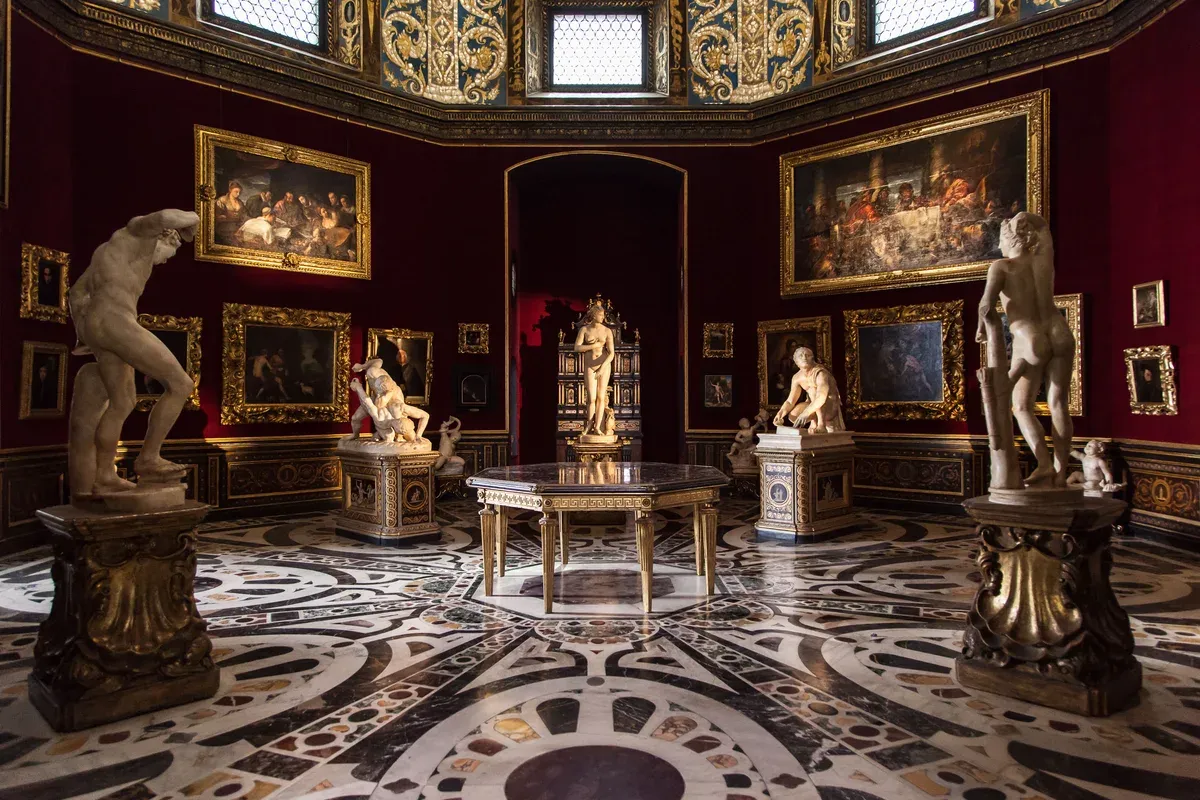
Photo: Marta De Bortoli1991, CC BY-SA 4.0, via Wikimedia Commons (https://creativecommons.org/licenses/by-sa/4.0)
The Tribuna and the Medici Venus
You see the Tribuna through its doorway, and the statue in the middle is the reason travellers once crossed Europe to stand there. The Medici Venus is a first-century BC marble copy of a Greek original. It came from the Villa Medici in Rome in 1677, when Pope Innocent XI let it leave because, the story went, it encouraged lewd behaviour.
Napoleon had it shipped to Paris in 1803, and it only came home on 27 December 1815. Around it stand the Wrestlers and the Knife-Grinder, and the walls carry Bronzino's Medici portraits. Look up at the dome: the shells are real, set into the plaster in 1584.
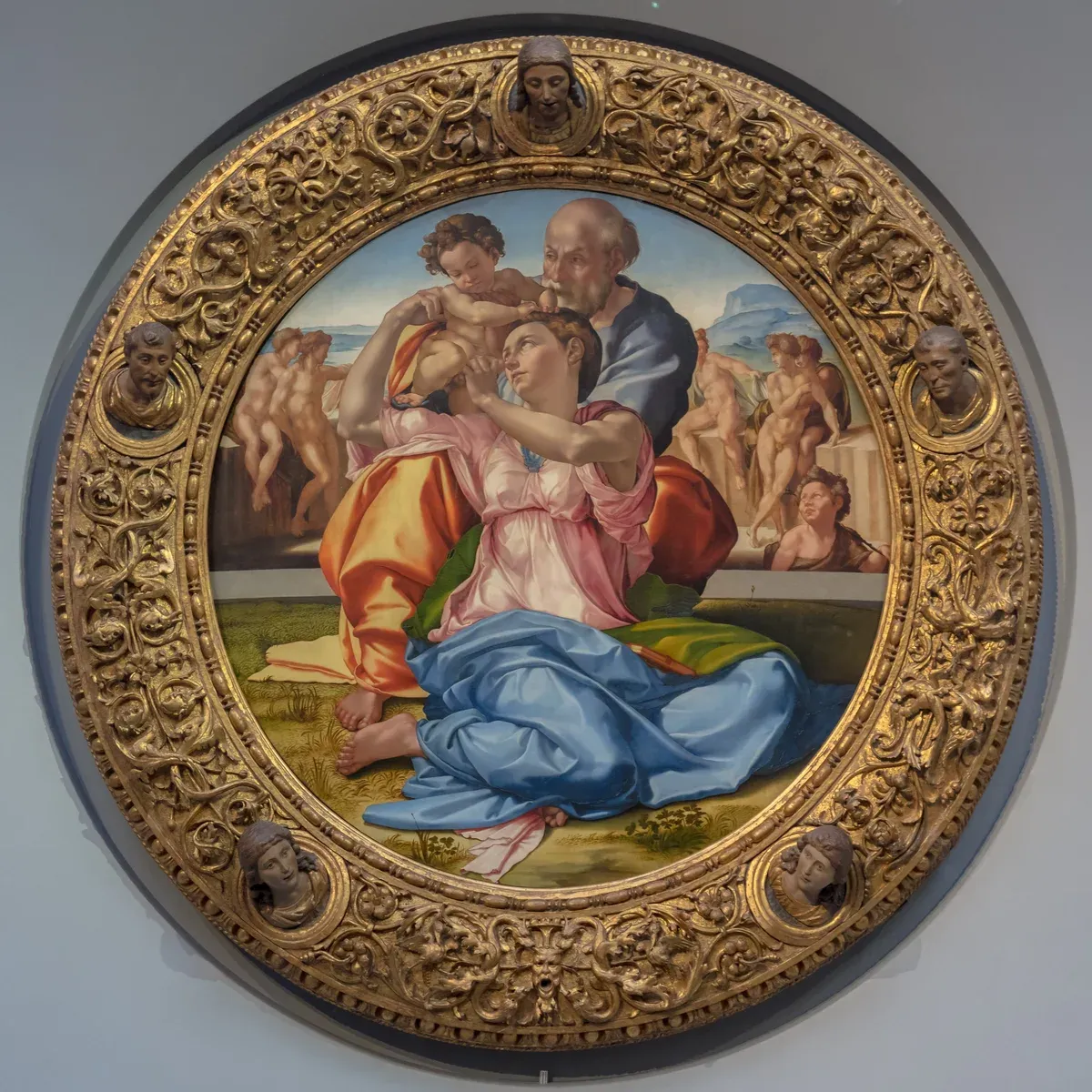
Photo: Diego Delso, CC BY-SA 4.0, via Wikimedia Commons (https://creativecommons.org/licenses/by-sa/4.0)
Michelangelo's Doni Tondo, Raphael's Madonna of the Goldfinch, Titian's Venus of Urbino
Michelangelo's only finished panel painting, the Doni Tondo of about 1507, still sits in the carved frame he designed for it. The Madonna of the Goldfinch by Raphael, restored over ten years and returned in 2008, hangs on the same floor with his portraits of Agnolo and Maddalena Doni. Titian's Venus of Urbino, the painting Manet reworked as Olympia, has its own room on the first floor.
Michelangelo's David is not in the Uffizi at all; the original is at the Accademia, and the Uffizi + Accademia timed pair covers both in one order.
First floor: Caravaggio's Medusa, Bacchus and Sacrifice of Isaac; the Niobe room
The first floor is where the crowd thins out. The Caravaggio rooms hold the Medusa on its wooden shield, the Bacchus with the fruit bowl and the Sacrifice of Isaac, with Artemisia Gentileschi's Judith Slaying Holofernes across the room. The Niobe room, rebuilt after the 1993 bomb, is the largest single room in the building: the Niobe group of Roman statues around the walls, the ceiling restored, the light from the Arno side.
Rembrandt's self-portraits and the Flemish rooms sit beyond it.
The Loggia terrace and the cafeteria view of Palazzo Vecchio
The cafeteria sits on the terrace above the Loggia dei Lanzi on the second floor. A coffee costs more than at street level, but the terrace gives the only public view straight onto the flank of Palazzo Vecchio and its tower, and it is the one place inside the building where you can sit down in daylight. The bookshop is at the entrance and again at the exit on the ground floor.
How Much Time To Give The Uffizi
The museum states no official visit length, which is unusual — the Opera del Duomo publishes a figure for every one of its five monuments. These three routings are ours, built from the floor plan and the order the collection now hangs in after the 2021 rehang.
The variable that decides your routing is not the art, it is the second floor. Both galleries of gold-ground panels, the Botticelli rooms, Leonardo and the Tribuna are up there, and the first floor holds the sixteenth and seventeenth centuries. A visitor who runs out of attention runs out of it on the first floor, so the short routing simply does not go down.
| Routing | What you get | What it skips | Door to door |
|---|---|---|---|
| The short visit | Second floor only: Giotto and the gold grounds, both Botticelli rooms, Leonardo, the Tribuna from the doorway | The entire first floor — the Doni Tondo, Raphael, Titian's Venus of Urbino, the Caravaggio rooms | About two hours, including the security check and the free cloakroom |
| The full visit | Both floors in the order the collection hangs, second down to first, with a stop on the terrace café above the Loggia | Nothing, though the last hour is attention most people no longer have | Four to five hours from the courtyard and back out at the Arno exit |
| With a guide | The small-group tour at $75.13 covers the highlights in 90 minutes and your ticket stays valid afterwards | The guided portion alone never reaches the first floor; stay on and you lose nothing | Two hours if you leave with the group, three or more if you stay |
Hours, closed days and the quiet slots
The Uffizi is open Tuesday to Sunday from 08:15 to 18:30. The ticket office closes at 17:30 and the last exit is 18:30, so arriving at 17:00 gives you an hour. The museum is closed every Monday and on 1 January and 25 December.
The late afternoon is the quiet window. From 16:00, two and a half hours is enough for the second floor and the Caravaggio rooms, and the Botticelli rooms are emptier at 17:00 than at any time before noon. The trade is that you cannot linger.
On the first Sunday of each month entry is free with no reservation; the ticket is issued at the entrance. Expect the longest queue of the month, and if you can only visit that day, be at Door 2 before 08:00. The Vasari Corridor has its own Friday evening opening from 3 July to 20 November 2026, 19:00–23:00, corridor only.
That ticket does not include the gallery; the Vasari Corridor page has the times and the meeting point.
- Emptiest: 08:15 on a Wednesday or Thursday, or a slot after 16:00
- Busiest: Tuesday morning after the Monday closure, and the free first Sunday (our observation)
- Last practical entry with a same-day ticket: 17:30, when the ticket office shuts
Inside: cloakroom, lifts, bags, groups
The cloakroom is free and sits under the eastern colonnade before the security check. Umbrellas, cumbersome bags and backpacks must be left there; a small shoulder bag goes through. Nothing on the official pages we fetched mentions a dress code for the Uffizi, unlike the cathedral across town, where shoulders and knees must be covered (Duomo page).
Step-free entry is by the ramp on via della Ninna, the lane between the Uffizi and Palazzo Vecchio. Lifts to the second floor run on request; wheelchairs over 230 kg or wider than 120 cm are not admitted.
Groups of six or more must use headphones with a licensed guide, and groups of eleven or more pay a €70 surcharge (about $82) on top of the tickets. Every card on this page with a guide includes the headsets.
- Free cloakroom, eastern colonnade: umbrellas, large bags and backpacks go in
- Ramp via della Ninna; lifts on request; wheelchair limits 230 kg / 120 cm
- Groups of 6+: headphones required; 11+: €70 surcharge
- Cafeteria with terrace, second floor; bookshops at entrance and exit
Eating At The Uffizi, And Two Minutes From It
There is one café inside: the cafeteria on the second floor, at the end of the west corridor, with a terrace over the Loggia dei Lanzi and a view straight up at the Palazzo Vecchio tower. The museum publishes no menu prices, so we print none — what it is worth is the terrace, which is free to walk onto with a gallery ticket and is the only place on the route where you can sit down. Go out to it between the second and first floors rather than at the end, when your legs have already decided.
Outside, the courtyard has nothing but a bookshop. The nearest real lunch is across Piazza della Signoria and north: the tripe carts and the standing counters that where to eat in Florence names, or the upstairs hall at Mercato Centrale, nine minutes on foot and open 09:00 to 23:00 daily. Kitchens in the centre shut between roughly 15:00 and 19:30, which is exactly when a visitor leaving a long Uffizi visit gets hungry.
Five Things Most Visitors Do Not Know About The Uffizi
All five come off the museum's own pages, and each one changes something practical about the visit.
- The ticket carries your name. The timed Uffizi ticket is named, so bring ID that matches the booking [uffizi.it tickets page]. - The last hours are the emptiest. From 16:00 the Botticelli rooms are quieter than at any time before noon, and two and a half hours still covers the second floor and the Caravaggio rooms [our observation, not an official figure]. - Groups of eleven or more pay a €70 surcharge on top of every ticket, and groups of six or more must wear headphones with a licensed guide — which is why the guided cards on this page all include headsets [uffizi.it visitor rules]. - The free first Sunday needs no reservation at all. The ticket is issued at the entrance, and that is precisely why the queue at Door 2 that morning is the longest of the month [uffizi.it]. - There is no dress code. Staff at the cathedral turn people away for bare shoulders and knees; nothing on the Uffizi's own visitor pages does the same, so what you wear across the square is not a problem here [uffizi.it visitor rules, checked against the Opera del Duomo's]. Because groups of six or more at the Uffizi need headsets and a licensed guide, the guided tours in Florence that include headsets take care of both requirements before you reach the ticket line.
How to get there and which door
The address is Piazzale degli Uffizi, 50122 Firenze: the long courtyard between Piazza della Signoria and the Arno. The doors are numbered on the west side of the courtyard. Door 1 is for anyone with a reservation or a ticket in hand, Door 2 is the ticket office for same-day sales, and Door 3 serves groups.
The numbering comes from the official how-to-purchase page; the signs on site match it, but check the boards when you arrive because the museum moves the group entrance during works. From Santa Maria Novella station it is a fifteen-minute walk: Via de' Panzani, Via de' Cerretani, past the Duomo, then Via dei Calzaiuoli to Piazza della Signoria. Bus C2 stops close by; an urban bus or tram ticket costs €2 for 90 minutes on the fares in force from 1 August 2026, bought in the app, at a tobacconist or with contactless on board.
There is no parking. The whole centre is a ZTL, closed to unauthorised cars Monday to Friday 07:30–20:00 and Saturday 07:30–16:00; leave a hire car at one of the ring-road garages.
- Door 1: reservations and tickets in hand
- Door 2: ticket office, same-day sales, first-Sunday free tickets
- Door 3: groups
- Ramp via della Ninna: step-free entry
At The Uffizi: What To Do, And What Not To
Every line here is a decision argued somewhere above, compressed into the form you can act on that morning.
Do
- Book the 08:15 slot and walk the second floor first — the Botticelli rooms fill by 09:30 from April to October
- Go to Door 1 with a ticket in hand; Door 2 is the same-day office and Door 3 is groups
- Leave the backpack in the free cloakroom under the eastern colonnade, before the security check
- Book a slot after 16:00 if you would rather have emptier rooms than time to linger
- Enter by the ramp on via della Ninna if stairs are a problem, and ask for the lift to the second floor
Don't
- Don't pay for a skip-the-line upgrade on a slot you already hold — the timed ticket is the queue-skip
- Don't plan a Monday: the gallery closes, and so do most state museums in Florence
- Don't come on the free first Sunday unless you can be at Door 2 before 08:00
- Don't navigate by a room number from an old guidebook; the May 2021 rehang moved the Cinquecento down a floor
- Don't buy a same-day ticket at 17:00 expecting a visit — the office shuts at 17:30 and the gallery at 18:30
Uffizi Gallery map: doors and next stops
The Uffizi entrance, the step-free ramp and the four sights within a three-minute walk.
Next stop from the Uffizi
Walk minutes are our estimates from the GPS distances; the Arno-side exit puts you closest to Ponte Vecchio.
Palazzo Vecchio
Same square. Entry with audioguide €32 (about $37), Thursday closes at 14:00. Palazzo Vecchio across the square is open on Mondays, when the Uffizi is not.
2 min walkPonte Vecchio
Exit onto the Arno side and turn right; the Vasari Corridor runs above the shops. Ponte Vecchio costs nothing and is quietest before 09:00.
3 min walkBargello
Donatello's David and Michelangelo's Bacchus, with a fraction of the Uffizi crowd. The Bargello sits on Via del Proconsolo, north of the square.
5 min walkUffizi Gallery questions
Is Michelangelo's David in the Uffizi Gallery?
No. The original David has stood in the Galleria dell'Accademia on Via Ricasoli since 1873, a twelve-minute walk north. The Uffizi holds Michelangelo's Doni Tondo. The Uffizi + Accademia timed pair reserves both entrances in one order, and the Accademia page covers the David visit.
How long do you need at the Uffizi?
The museum does not state a visit length. Our routing: two hours covers the second floor and the Caravaggio rooms, which is what the 90-minute guided tour does with a guide setting the pace; three to four hours alone with the audioguide ticket lets you see both floors without skipping the Flemish and Venetian rooms.
Is the Uffizi open on Monday?
No. The Uffizi closes every Monday, plus 1 January and 25 December. On a Monday go to Palazzo Vecchio across the square or the Museo Galileo two minutes away on Piazza dei Giudici; both open on Mondays. The things to do list marks the Monday openings.
Is there a dress code for the Uffizi Gallery?
The official pages we fetched state no dress code for the Uffizi. The rules that do apply are about bags: umbrellas, large bags and backpacks go to the free cloakroom. The cathedral is different: shoulders and knees covered, no flip-flops, as the Duomo page explains.
Which day is the Uffizi free?
The first Sunday of each month, no reservation, ticket issued at the entrance. The queue at Door 2 is the longest of the month, so arrive before 08:00 or give the day to a museum with fewer visitors. Under-18s enter free every day and EU citizens aged 18 to 25 pay a reduced rate, and the Uffizi tickets page lists every reduced and free category.
Is the Uffizi worth it if I only have two hours?
Yes, if you go straight to the first-floor rooms: Botticelli, Leonardo, the Tribuna and Michelangelo's Doni Tondo sit within two hours without running. Book the 08:15 timed entry and skip the ground-floor temporary shows; the room order is in the section above.
Which entrance do I use at the Uffizi?
Door 1 on Piazzale degli Uffizi if you hold a reservation or a card such as the reserved-entry ticket; Door 2 for the ticket office; Door 3 for groups. Step-free access is the ramp on via della Ninna, the lane on the Palazzo Vecchio side.
Can I walk the elevated passage from the gallery to the Pitti side?
Only with a corridor ticket: the day visit needs the Uffizi + Vasari combined ticket, and the Friday evening opening (3 July to 20 November 2026, 19:00–23:00) is corridor only. The Vasari Corridor page has the prices and the small-group tour with corridor option bundles both.
Is Da Vinci in the Uffizi?
Yes. Leonardo da Vinci's Annunciation, painted in his early twenties in Verrocchio's workshop, and his unfinished Adoration of the Magi both hang in the Uffizi, beside Verrocchio's Baptism of Christ, in which the young Leonardo painted the left-hand angel. The notes on what to see say where to stand. A reserved entry with audioguide is €16.
Where the Uffizi fits in a Florence day
Book the 08:15 slot, take the second floor first and leave by the Arno exit at 10:30 with the Botticelli rooms behind you before they fill. Ponte Vecchio, Palazzo Vecchio and the Bargello are all within five minutes on foot, and the Accademia is a twelve-minute walk for an afternoon David slot. The three-day Florence itinerary starts its first morning exactly this way, and the full attractions list ranks everything else by time needed.
Every other museum on this site with hours, prices and a map is on the museums page. The rest of the city starts from what to see in Florence.
The Uffizi Gallery on Film: Rooms, Routes and Masterpieces
Three walk-throughs that show what the Uffizi actually looks like inside — the room order, the crowd levels and the paintings most visitors come for. Watch one before you go and the gallery's U-shaped layout stops being confusing.
See the Uffizi in 2 Hours: Don't Miss These Masterpieces | Florence, Italy
A two-hour route through the gallery, painting by painting, filmed in the rooms themselves.
Video: Our Big Italian Adventure10 Artworks to See at the Uffizi Gallery I Behind the Masterpiece
Ten works picked out and explained, so you know which rooms deserve your standing time.
Video: Behind the MasterpieceROCKY'S ITALY: Florence - Uffizi Gallery
An art historian's tour of the collection, useful background if you are visiting without a guide.
Video: Rocky RuggieroVideos load from YouTube only when you press play.
Prices, hours and terms are set by the venue or operator and confirmed at checkout.
We may earn a commission if you book through one of our links, at no extra cost to you. Full affiliate disclosure